Call (678) 365-3138



Tampa's home-buying and insurance process tends to add new conditions along the way that no one warned you about from the start. A roof condition certification letter is one of them - it might come in as a demand from your insurance carrier in the middle of a policy, or it could arrive right before a closing date on a sale. Florida's property insurance market has tightened up quite a bit over the past few years, and Tampa Bay sits right in the middle of it.
The reason is pretty simple - it's about money. Florida insurers have absorbed massive hurricane-related losses over the years, and a number of them have already pulled out of the state because of it. That sort of financial pressure forced carriers to pay more attention to roof conditions than they ever had to before. A roof that passed inspection without any flags five years ago might now need formal paperwork before a policy can stay active - and the window to get that done is usually pretty short.
What that means for Tampa homeowners is a whole lot of deadlines, inspection paperwork and contractor credentials - usually with very little time to get ready.
Homeowners who already know how this process works are in a much better position - they can move fast, hit their deadlines and keep their coverage in place. The ones who don't usually find themselves well behind on the deadline - and in a market this unforgiving, that sort of setback gets expensive very fast. The actual edge here is preparation - not a last-minute scramble after the fact.
What a Roof Certification Letter Really Does
A roof condition certification letter is a formal document that a licensed roofing contractor puts together on your behalf. What it does is give you a written record of your roof's condition as it stands - how much life is left in it and if any repairs need to be done before that time runs out.
The whole point of this letter is to give insurers a sense of what they'd actually be taking on. An insurer needs to feel confident that a roof isn't already worn down or past its prime before they agree to cover it - and this letter is how that gets confirmed in writing from a licensed professional who physically got up there and took a look.
That's where the numbers start to matter. Insurers usually want to see at least 3 to 5 years of life left in a roof before they'll agree to write or renew a policy on a home. A letter that can't back up that timeframe will create problems for any homeowner who needs coverage - and in some cases, it's what can hold up or derail a sale.

It's also worth mentioning that the expected timeframe can vary from one insurer to another. Some may accept a roof with 3 years of life left, and others may want 5 or more (it's why it matters to have the letter done early in the process), and it gives you time to help with any problems before they become an issue for your coverage or your closing timeline.
For your average homeowners, the process itself is fairly easy. A well-written certification letter from a qualified contractor is the document that can either get your coverage approved on the first try or send you back to the start of the whole process.
Why Tampa Insurers Ask for a Roof Letter
Florida's property insurance market has been in rough shape for years, and it's only become more tangled up since then. Quite a few of the big national carriers have pulled out of the state altogether, and the ones that chose to stay have grown even pickier about what they're willing to take on.
That pressure comes from hurricane-related claims. Florida gets more storm activity than almost any other state, and Tampa Bay is in an area that has absorbed some pretty bad hits over the years. When one rolls through, roof damage is nearly always the single most expensive item for an insurer to pay out on - and with thousands of policies across the state, those costs add up fast.
To manage that exposure, insurers started asking much harder questions about the roofs that they were willing to cover. A certification letter gives them a third-party read on a roof's condition before they put their name on a new policy. It's not a formality or a box-checking exercise - and insurers don't treat it like one. For them, it's a financial choice and nothing more.

This all matters because it explains why the whole process feels heavier than it did a few years ago. Tampa homeowners aren't going through extra paperwork without an actual reason - Florida's insurance market has changed pretty dramatically, and the roof certification letter was one of the main tools that carriers landed on to better gauge their exposure before agreeing to write a new policy. From what I've seen, this is the step where more homeowners run into problems than almost anywhere else in the process.
A roof that has passed a certification makes you a much stronger candidate to insure. Without one, you're looking at higher premiums, lower coverage or a flat-out denied application. The insurance market has its own set of laws, and a bit of context about your roof's rating matters when the time comes to sit down with your insurer.
When Your Roof Age Starts to Matter
Roof age is one of the bigger factors that insurers in Tampa actually care about - and past a point, it can start to work against you. Generally, carriers will start paying much closer attention once a roof hits the 15-year mark. From there, they're going to want to see some proof that the roof is still in decent enough shape to be worth covering, and the bar they set for that isn't always easy to meet. In some cases, that means an inspection report. In others, it means a full roof certification from a licensed contractor.
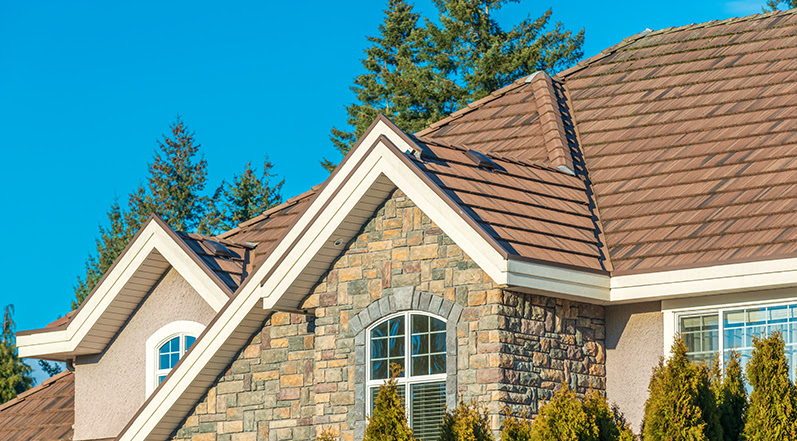
Asphalt shingle roofs are usually what an insurance company looks at first. As the most common roofing material in Florida, they take the full brunt of the heat and humidity and storm season year after year - the punishment adds up much faster down here than it would somewhere with a cooler climate. A 15-year-old asphalt shingle roof in Tampa has been through quite a bit, and the insurance industry knows it. Some carriers factor in the roof's condition as heavily as its age, so a well-maintained older roof can sometimes do better than one that has been neglected.
With older asphalt roofs, especially, plenty of carriers won't even write a new policy without a certification letter or some proof of full replacement. At that point, it stops being about rates or premiums - it turns into a matter of whether you can get covered at all. For that reason, it's worth finding out what your roof's age and condition are before you even start to shop. Not having that information on hand from the start can slow the whole process down quite a bit.
Who Can Legally Sign Your Roof Letter
A roof condition certification letter is only as strong as the credentials behind it. Not every inspector or contractor holds the qualifications that insurers actually accept, and if yours doesn't, that letter will get rejected. The timing matters quite a bit - a rejection mid-process can hold up your coverage or cause your policy to fall through altogether.
It needs to come from either a licensed roofing contractor or a licensed home inspector in Florida. A quick call to your insurer first is well worth it - they'll tell you what they're looking for because not every professional who can get up on a roof is credentialed to certify its condition.
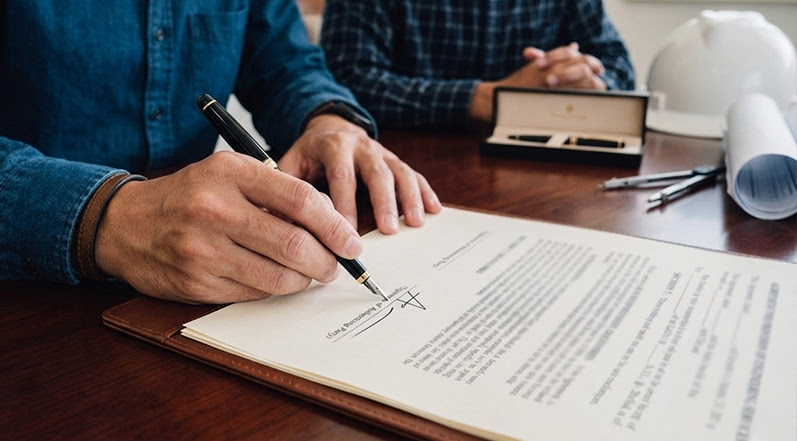
A general handyman or an unlicensed inspector can do a careful job of looking at your roof, and their read on the situation might even be just right. But their signature on a certification letter means almost nothing to most insurance carriers. At that point, you're right back to the beginning, and now you're up against the clock.
This part is pretty easy - you can look up any contractor before committing to anyone, since Florida makes its licensing information public. Your insurance agent is one of the better resources that you have if you're not quite sure what your policy calls for (and most aren't).
What the Roof Inspector Looks At
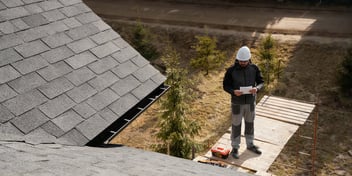
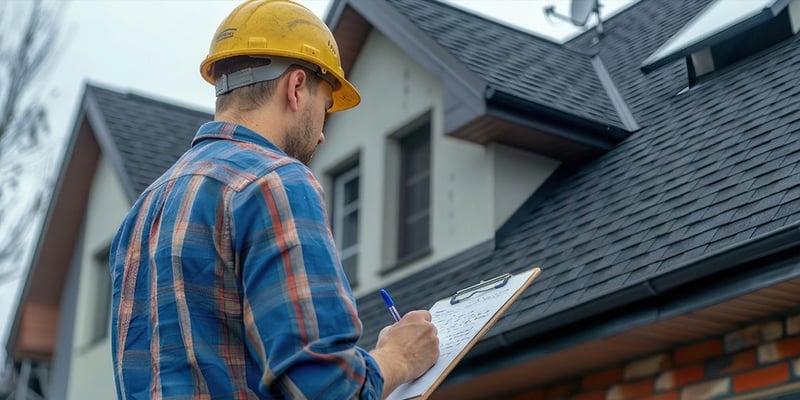
When the inspector arrives, the first order of business is a full walkthrough of the roof. Every part of the system gets a close look - shingles or tiles, the flashing around chimneys and vents, the gutters and the soffit and fascia that line the roofline. Anything that looks like wear, damage or water working its way in somewhere it shouldn't be will get flagged.
A professional inspector will catch issues that most homeowners would just walk right past. Roof damage like sagging areas, cracked or missing shingles, and any visible signs of storm wear will all be closely examined. The attic is also a part of the inspection - moisture buildup and any active leaks in that space can tell you quite a bit about what's going on with the roof above.

On the tools and methods side, most inspectors in this field have access to some pretty advanced technology. Drones can cover hard-to-reach areas without putting anyone in harm's way. Infrared equipment is another option (it can pick up hidden moisture that would otherwise go undetected), and it's the type of damage that tends to turn into the most expensive problem over time. Not every inspector will bring these tools to every job. But in this area at least they're fairly standard - which is a plus.
Once the inspection is done, everything the inspector found gets compiled into a certification letter. That letter covers the roof's age, what shape it's currently in, and roughly how many years the inspector thinks are left before it needs attention. The written record is the most helpful part of this whole process - it gives you, and everyone else involved, something that you can point back to no matter who ends up needing it (an insurance company, a future buyer or just yourself a few years from now).
Ask for a Roof Certification Before Closing
When buying a home in Tampa, one of the best moves that you can make ahead of closing is to ask for a roof certification.
This carries weight once you're at the closing table. When an inspector turns up hidden damage or wear that wasn't disclosed from the start, you have something concrete and documented to work with. A formal report can be the difference between the seller covering those repairs and you walking away from the closing with a problem that was never yours to deal with.
And the costs aren't small - not even close. Buyers who skip past the inspection have walked into the closing feeling confident, only to get hit with repair bills a few weeks later. Roof repairs alone can run into the tens of thousands of dollars, and a full replacement will cost even more than that. It's just not worth moving past this part to save a little time.

What I find most helpful about this whole process is the negotiating power that it gives you early on. Sellers are far more willing to negotiate on roof-related repairs when a deal is still in progress than they are after the paperwork has already gone through. That window doesn't stay open forever, and a roof certification is what puts you in a stronger negotiating position while it still matters.
Ask for it early, get it in writing and then let the report do the work.
What Should You Do After Your Roof Fails
A failed roof certification just means a few more steps to sort out before coverage gets finalized.
For most roofs, the fastest and simplest option is to get the damaged or worn areas fixed. Whatever the inspector flagged (the flashing, the shingles or a drainage point), a few targeted repairs may be all it takes to pass a follow-up inspection. Most roofing contractors in Tampa can take care of that work and then set up a re-inspection with a certified inspector, which is what gets you the letter that you need.
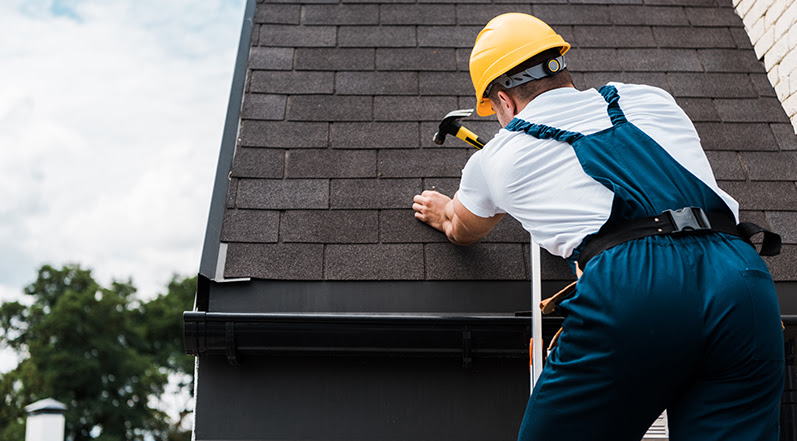
With that said, some roofs are just too far gone for repairs to make any difference. At that point, a full replacement is the only path to certification - it's hard news for anyone to hear.
Not every insurance carrier holds roofs to the same standard, and the difference between carriers can work to your benefit. Some insurers are more lenient about older roofs or minor cosmetic wear than others. If your insurer still won't budge after repairs are made, you might want to try a few other carriers to see where you stand. A licensed insurance agent who knows the Tampa market can point you toward the ones that are more flexible about these situations.
The financial pressure in a situation like this is very real, and it makes total sense to pause and weigh your options before committing to anything. Repairs, a full replacement and a carrier search all have their own price tags and timelines, which is why it's helpful to try to have a few firm estimates in hand before those decisions are made.
Protect The Roof Over Your Head
Tampa's insurance market has shifted quite a bit over the last few years, and the roof certification letter has become one of the more visible signs of that. Carriers are asking harder questions, timelines have grown tighter, and homeowners who wait for a problem to find them will pay more (in stress and dollars) than those who get ahead of it. Understanding what this letter is and why it matters puts you in a much stronger position heading into any renewal or coverage conversation.
The homeowners who come out of this process without too much issue are usually the ones who've gotten ahead of it. An inspection had already been scheduled before the insurer had a chance to send a demand letter. The repairs were finished before a policy renewal brought any pressure into the picture. That sort of preparation is straightforward - you just don't want to wait until you have to. The problem, more often than not, is that the right information just didn't reach them in time.

Colony Roofers is worth the call when you need an inspector who actually knows what they're doing. We work with homeowners and commercial property owners across Georgia, Florida and Texas, and we have a read on what Tampa's insurance market needs from a roof inspection and a certification. The right inspector does matter quite a bit in a market like this - one missed detail or a vague report can cost you a whole lot more than the inspection itself ever would have.
Give Colony Roofers a call for a free inspection, and we'll help you take care of this before it grows into a much bigger problem.