Call (678) 365-3138



Tampa homeowners wind up paying some of the highest insurance premiums across Florida, and most of them have no idea that a single inspection could cut those costs by anywhere from 15% to 45%. When renewal time comes around each year, the rates just continue to climb higher and higher, and it feels pretty hopeless to open that bill and see what they're charging you. A wind mitigation report could be just what you need because it can unlock some big discounts that continue to save you money year after year!
Florida law makes it mandatory for all insurance carriers to give homeowners premium credits when they have storm-resistant features installed on their property. What gets missed by homeowners is that these credits aren't automatic - you'll have to prove that these protective features are actually there. Without the right paperwork on file with your carrier, they're going to assume your home doesn't have any of these upgrades and charge you the full premium rate. Thousands of Tampa homeowners wind up overpaying for their coverage year after year just because no one ever came out to check and document their property.
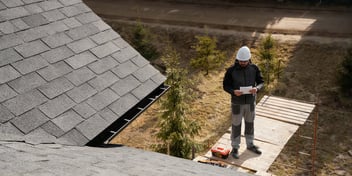
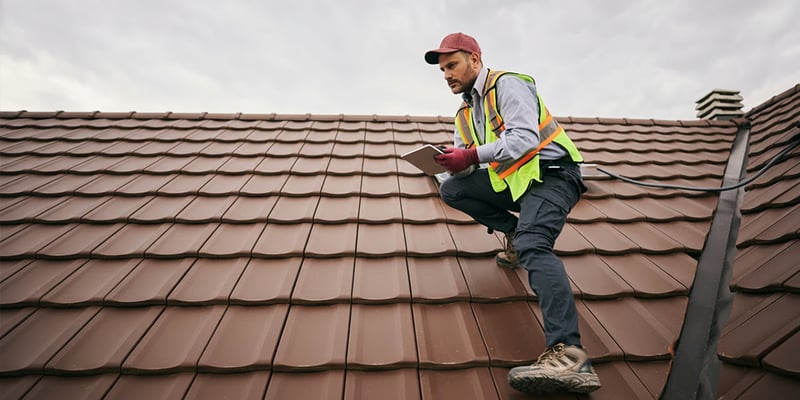
Wind mitigation inspections take about 1 hour to finish, and you can expect to pay anywhere from $75 to $150 for one. During the appointment, a qualified professional will look at your roof attachments, the bracing systems, the window protection and the other hurricane-resistant features that were built into your home. Newer homes usually already meet the more stringent building codes that insurance carriers reward with discounts. Even if your home is older, you can still qualify after you make a few affordable upgrades or just by filing the right paperwork. Each report stays valid for 5 years, and the insurance savings nearly always exceed what you paid for the inspection itself - homeowners recover the cost in just a few months.
Let's talk about what you'll find in your Tampa wind mitigation report!

What Your Wind Report Actually Covers
Wind mitigation inspections are actually pretty easy once you know what the inspector is looking for. Their job is to check your property and document the features that make your home resist wind damage during a hurricane or tropical storm. The inspector records the wind resistance already built into your home. Your insurance company then reviews that report to see how well your house was constructed to manage bad weather conditions.
Inspectors are going to first check the connection between your roof and the walls that are underneath. It's actually one of the biggest parts of how strong your roof is. If your home has hurricane clips or metal straps installed, you're going to get a much better rating than homes with just standard toenails (those are the traditional fasteners). Those metal connectors work way better and hold everything together. To see which type of connection you have, the inspector has to climb up into your attic and check it out.
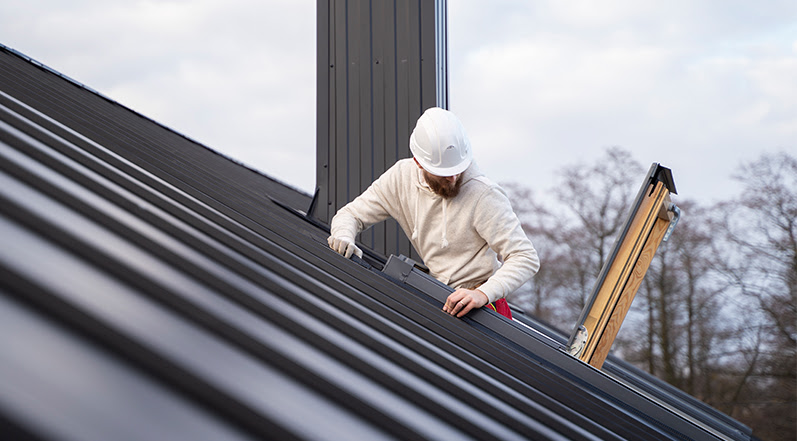
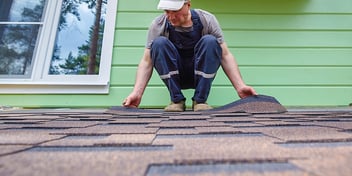
The age of your roof matters quite a bit, and the materials on it matter just as much. An inspector will want to document the last time you replaced your roof and what type of shingles or covering you have installed. A newer roof with storm-resistant shingles helps you because it might lower your premiums. These upgraded materials are built to take more punishment when debris flies around during bad weather.
Windows and doors are another big part of what inspectors are going to look at during the evaluation. They'll check to see if you have storm shutters or impact-resistant glass installed on them. This type of protection is worth the investment because it stops the wind and keeps it outside your house. Once the wind does get inside, the pressure difference alone can take your entire roof right off. They'll also check how far apart your roof deck fasteners are. Nails or fasteners that are installed close together are going to give your deck much better wind resistance than a deck where the fasteners are spread farther apart.
Last but not least, the shape of your roof will show up in the inspector's report. Hip roofs have slopes on all four sides, and gable roofs are the ones with those triangular end walls. Hip roofs usually manage high winds a bit better because the slopes on all sides help to push the wind away from every angle instead of a direct hit on a flat surface. Your inspector will record which style you have as another part of the bigger picture.
Why Newer Homes Get Better Insurance Rates
The year your house was built can make a pretty big difference in the insurance discounts available to you. Hurricane Andrew devastated South Florida in 1992, and it exposed plenty of weaknesses in older construction standards. Florida responded to that disaster by rewriting the building codes, with much stricter standards for hurricane-resistant construction.
Tampa updated its building codes in 2002, and any home built after that year has to meet much stricter hurricane standards. These protective features are already built right into newer homes from day one, and insurance businesses see this. They usually reward properties with modern hurricane protection with better rates, which could save you quite a bit on your monthly premium.
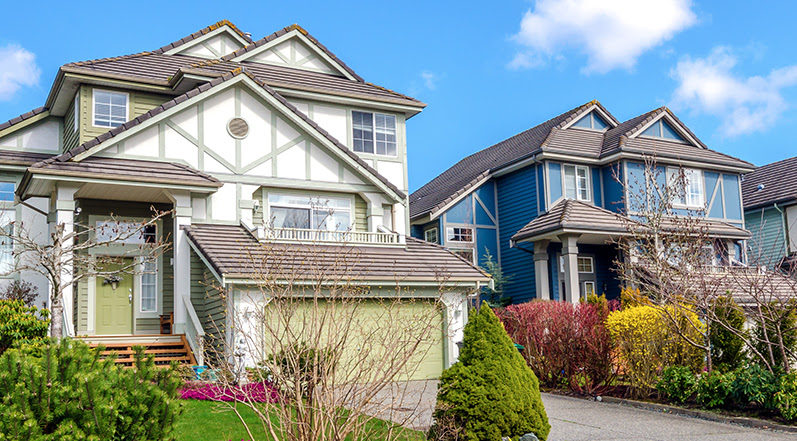
Wind coverage discounts add up based on when your home was built. A house that was built from 2002 to 2007 will usually save you about 35% to 40% on that portion of your premium. Homes with build dates of 2008 or newer qualify for even better rates. Lots of these properties can see discounts of 45% or more because building codes have gotten tighter and tighter over the years, so the homes are just built better for wind damage from the start. It's a pretty nice deal if you managed to buy something that was recently built.
Not everyone has that option, though. Your home could have been built back in the '70s or '80s - way before hurricane codes were even a priority for anyone. But that doesn't automatically mean you still have to pay those expensive premiums forever. Older properties still have quite a few options available to them.
In the next section, I'll talk about some different upgrades and retrofit options that can get an older home way closer to where new construction sits. Even a house from a few decades ago can qualify for some pretty nice discounts after you make just a few of the right improvements.
Simple Upgrades That Save You Money
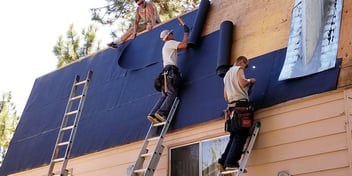
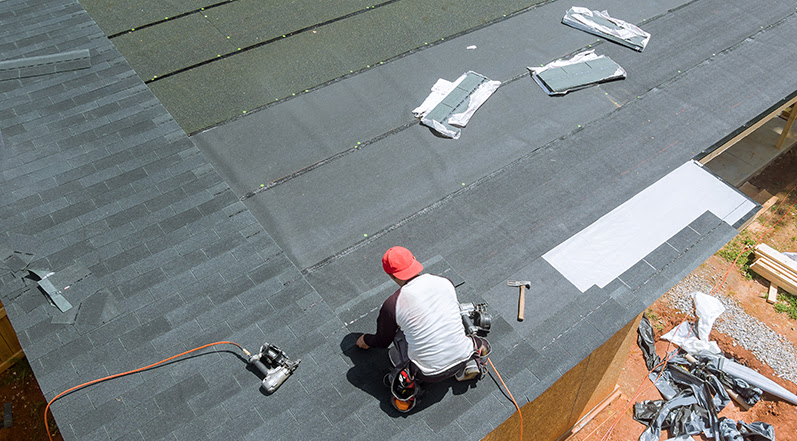
On the upside, you don't have to tear apart and renovate your whole house to get your premiums to come down. Secondary water resistance can matter in how well your home holds up against water damage, and as far as roof upgrades go, it's one of the cheaper options available. Most homeowners don't know about this. That makes sense because it's tucked away under your shingles where you can't see it. Secondary water resistance is an extra protective layer that sits underneath your roof shingles. When water gets past your shingles during a heavy storm or wind-driven rain, this layer acts as a backup barrier so everything stays dry. Insurance carriers usually favor this upgrade, and plenty of them will give you credits or discounts for having it installed - it costs remarkably less compared to replacing your entire roof.
Hurricane shutters are another great option if you want protection without the big price tag. During storm season, they protect your windows from flying debris and strong winds, and they cost just a fraction of what you'd pay for storm-resistant glass. You'll save tens of thousands of dollars compared to replacing all your windows with storm-resistant versions, since most insurance carriers will still give you decent discounts for hurricane shutters.
Plenty of homes already have upgrades that could earn their owners insurance credits - what's usually missing is the paperwork to prove it. Roof work is a perfect example of this. Go ahead and track down those records if you've had any of it done in the last few years and kept the contractor's installation documents. They prove that the work followed Florida's building code standards, and insurance carriers will usually reward that documentation with discounts that grow over time.
Wind mitigation inspections in Tampa will cost you between $75 and $150, and the cost can depend on the inspector you choose and what they need to check out. The great news is that these reports remain valid for a full 5 years under Florida law, so after you get yours done, you won't need to worry about having to get another one for quite a while. Most insurance carriers are going to request a new inspection after you make any big updates to your roof or to the structure of your home. When they send an inspector out, they'll want to recalculate your available credits based on whatever improvements you made.
Tampa has a dry season that runs from October through May - it's when most homeowners try to schedule their inspections. Rain and wet conditions can make the whole process harder and even less safe, so it just makes sense to wait for drier weather if you have the option.
Compare the one-time inspection cost to your possible annual savings on the insurance, and you're going to come out way ahead. Most homeowners save anywhere from $800 to $2,500 every year once they have their wind mitigation report completed. In most cases, the inspection fee gets recovered in just a few months from the lower premiums alone.
What Should You Do with Your Report
Once your wind mitigation report comes back from the inspector, your next step is pretty easy - get it over to your insurance company for review. Most carriers will accept the report by email or through their customer portal online, so the submission process is usually pretty painless. Your insurance agent can also handle the whole submission for you.
When you can expect to see changes show up on your premium depends on the insurance company you have. Some of them will process the updates and adjust your rate within just a few days. Others might make you wait until your next billing cycle comes around or until it's time for your policy to renew. Each company has its own internal process for how they manage these updates. If 1 or 2 weeks have passed and you still haven't heard anything back from them, it's worth picking up the phone to make sure they actually got the paperwork they needed from you.

Maybe your report comes back, and the discounts aren't quite what you were hoping to see - this could be because your roof shape wasn't what they're looking for, or maybe your home is missing those hurricane straps that they want. Whatever the case, you'll at least know what would need to change if you want to get better savings the next time around.
Revisit those upgrade options we covered earlier. Even just one or two of these improvements matter when the time comes for your next inspection. Many of these upgrades will pay for themselves within 1 or 2 years just from the money you'll save on insurance premiums alone, so it's worth your time to sit down with your contractor and your insurance agent and run the numbers for your own situation.
You could also take your report and shop around with it to get quotes from a few other insurance carriers. Each company looks at the wind mitigation features in its own way, and you might find that one of them puts more value on what your home already has compared to your current insurer. One detail to confirm up front is if the new company will actually accept a report that's as old as 5 years - that's the maximum age that Florida will accept for these reports. But not all carriers will take one that old.
Protect The Roof Over Your Head
A wind mitigation inspection can pay for itself a few times over, and the insurance discount is one part of that. The other big benefit is that you'll get a much better sense of how well your home will hold up against the next big storm that comes through Tampa Bay - it's worth plenty on its own, and it means even more if you're in the middle of hurricane season and a forecast can flip your plans around in just a few hours.
If this has been on your to-do list, but the insurance forms and the home inspection process feel like too much work, now's actually a smart time to get it done. The inspection itself usually doesn't take very long, and the money that you could save might come to hundreds or thousands of dollars over the next few years. You might find out that your home is already in great shape, or you could learn about a few easy upgrades that would make an actual difference when the high winds blow through your area. No matter how it turns out, you'll have the information you need in hand and a much stronger sense of security about the place that you call home.
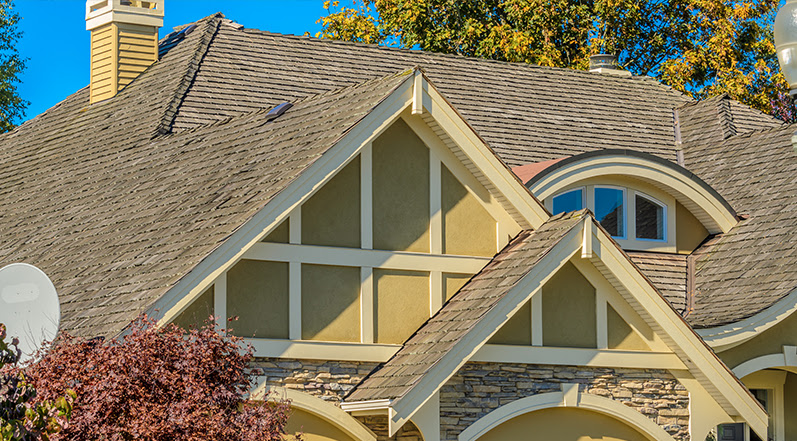
Your roof needs to be in great shape if you want your home to hold up during the storms and keep your insurance company happy. Colony Roofers does commercial and residential projects, and we have locations spread across Georgia, Florida and Texas. A well-maintained roof protects your property and everyone inside of it, so it pays to work with a team that actually knows what they're doing. We do free inspections, and we'd be happy to come check out your roof and talk through what it needs.
Just reach out, and we'll get you scheduled!