Call (678) 365-3138



Looks matter when picking a roof style for your Tampa home. But they're nowhere near the only consideration. Tampa's subtropical climate can be very harsh on roofing materials, and the weather here matters a lot for which design is going to hold up and protect your home over the long term. Hurricane season arrives every summer and fall, and the winds usually hit speeds over 74 mph when storms move through the area. Wind speeds like that put tremendous pressure on the structural integrity of your roof. Rainfall is another factor that shouldn't be ignored. Tampa gets about 51 inches of rain each year, and most of that falls during a concentrated 4-month stretch of intense thunderstorms. With weather conditions like these year after year, if you pick the wrong roof type for your home, you can end up with some pretty bad damage and expensive repairs later.
Hip roofs and gable roofs are popular throughout Tampa neighborhoods. Once storm season rolls around, each one deals with the weather a bit differently. The design and construction of your roof matters in how well it resists the wind, drains the water, changes your insurance premiums and holds up over time with normal wear and tear. A roof design that does just fine in calmer parts of the country might not hold up as well when a tropical system moves through the area with constant winds and hours of heavy rain. The building codes in Florida are pretty strict and for a strong reason - homes in this state need to withstand wind speeds that would demolish structures in areas with more lenient standards.
The financial part of this decision is not about what you'll pay for the installation itself. Insurance providers look at different roof types very differently, and if your design has a track record of wind damage claims, you're going to pay a lot more for coverage. Energy efficiency is another big factor between these two styles, and it will show up on your cooling bills all throughout Tampa's long, hot summers. Homeowners who rush this and skip over the research phase can end up with expensive repairs, inflated insurance premiums or a roof replacement when a big storm hits.
Let's compare these two popular roof styles to see which one works best for Tampa homes!

How Hip and Gable Roofs Are Different
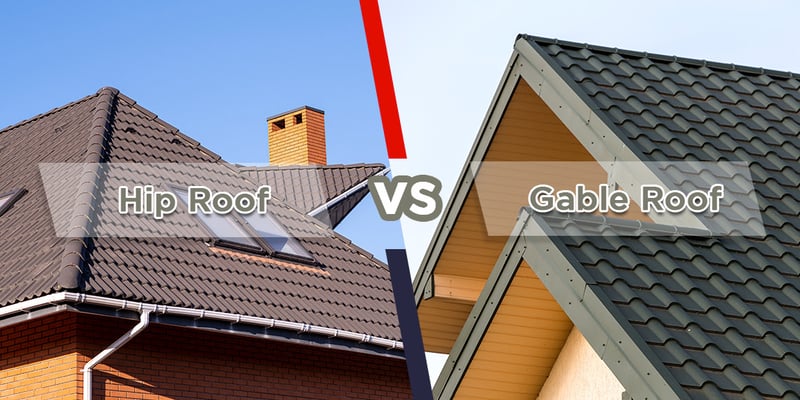
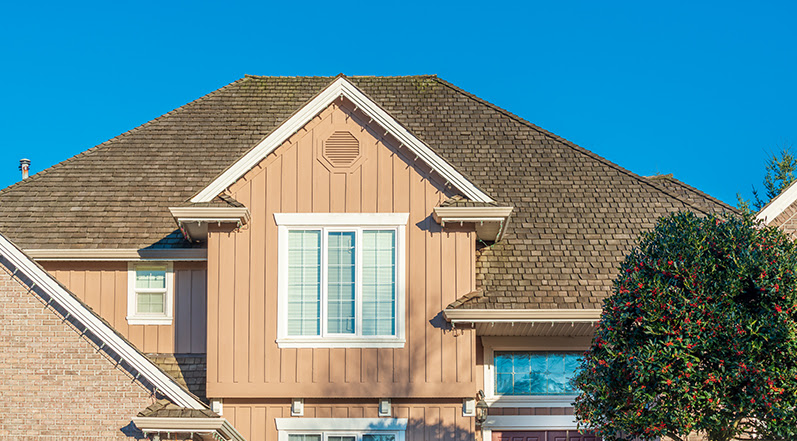
A gable roof is the classic design you probably picture if you think of a traditional house. Two sloping sides come together at the top to form what's called a ridgeline. At each end of the house, the roof creates those familiar triangular-shaped walls.
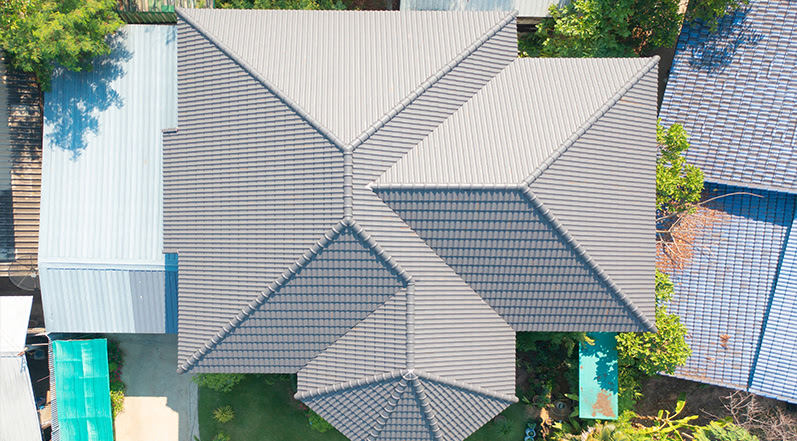
A hip roof is built a bit differently than most other common roof types. On a gable roof, you'll see those vertical triangular walls at each end of the building (those are called gable ends). But a hip roof doesn't have those at all. Every side of the structure has a sloped surface that angles downward to meet the exterior walls below it. Hip roofs look more like a pyramid where all four sides slope downward and come together at a single point on top.
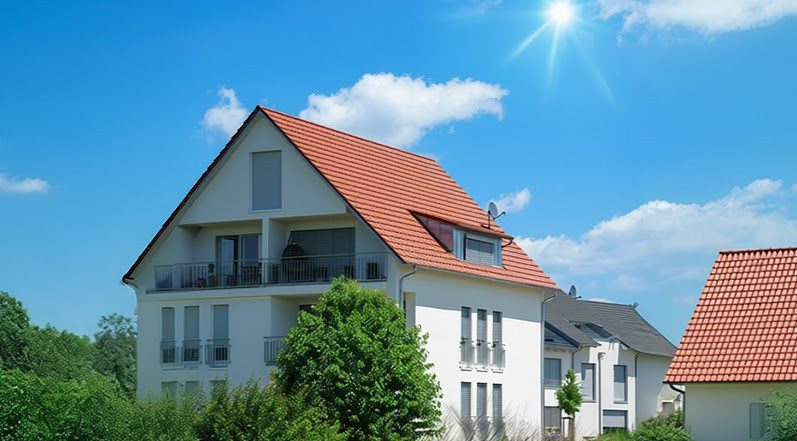
A gable roof has that classic triangular shape at each end of your house, and the space underneath that peak is actually enclosed. You get quite a bit more usable attic space compared to other roof styles. Or if you don't want to use it for storage, you could use that vertical room and put in some beautiful cathedral ceilings on the inside of your home.
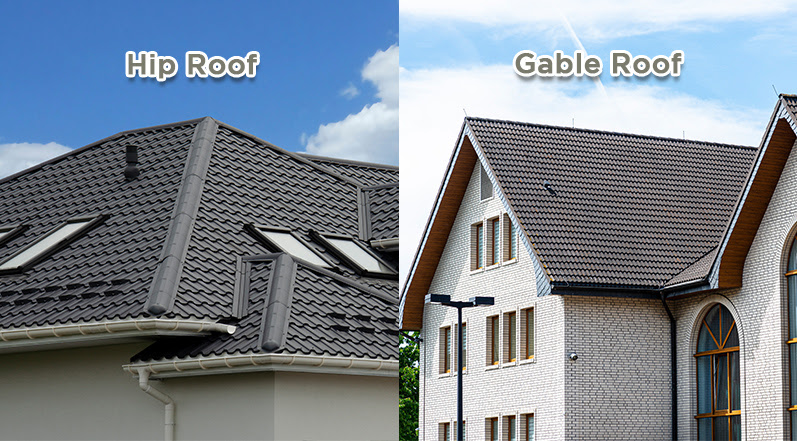
Hip roofs are going to cost you some of that interior volume since all four sides slope inward toward the center. On the upside, hip roofs look more balanced and low-profile, no matter where you stand. On the downside, they do need more materials, and the construction process takes longer and gets a bit tougher since you'll have to frame and seal four sloping sections instead of just two.
How well a roof handles wind and rain depends on its construction, and in Tampa, that's what makes the choice between them matter quite a bit.
Best Roofs for Tampa's Hurricane Season
Wind is probably the biggest threat to your roof during Tampa's hurricane season. From June through November, tropical storms and hurricanes roll through the area with wind speeds that hit at least 74 miles per hour, and plenty of them get way stronger than that. What actually matters is how the wind behaves once it hits your roof. Those pressure points control whether your roof stays attached to your house or starts to peel away.
Hip roofs are going to handle high winds much better than gable roofs, and the main reason comes from the shape itself. A hip roof has four sloped sides, so there's no large flat surface for the wind to actually push against. The wind just slides right up and over the slopes from every angle. The design actually spreads out the wind pressure across the entire structure evenly, so the force doesn't build up and get concentrated in one particular area.
Gable roofs have a weak point that becomes a big problem once the wind speeds start picking up. Those triangular end walls work like giant vertical panels and face the wind. Hurricane-force winds will slam into those gable ends and create a tremendous uplift pressure underneath your roof. This pressure pushes upward from below, and it's trying to lift the entire roof right off your house.
Hip roofs are much better at handling uplift forces, and this mostly comes from their lower profile. Wind flows right over them without creating much resistance because there just isn't much surface area for it to push against. Gable roofs are a different story - they sit taller and expose a lot more surface area to the wind. When hurricane-force winds hit, all that exposed area gives them something to grab onto and to push against and makes gable roofs a lot more vulnerable to serious damage.
Both roof types can hold up just fine in big storms if they're built correctly. Once wind speeds push past 100 miles per hour, hip roofs start to pull ahead. The two designs take care of the wind forces differently during a Tampa Bay hurricane, and the way that the structure distributes that stress matters in how well it survives.
Tampa Gets Heavy Rain Each Year
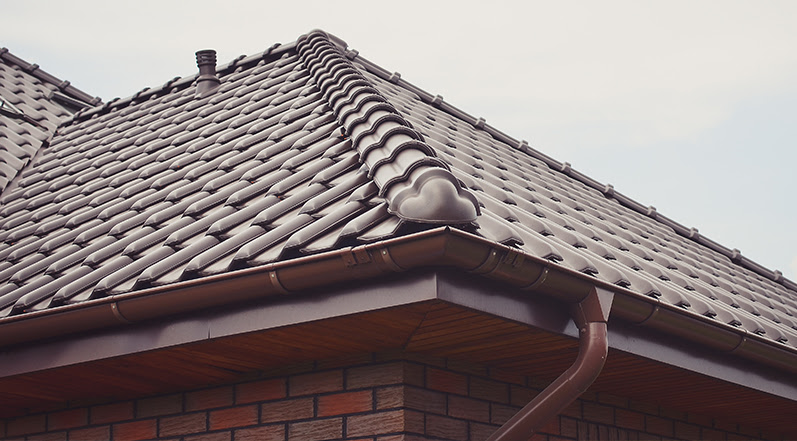
Water drainage matters just as much as wind resistance when you choose between these two roof styles. Tampa gets hit with heavy afternoon thunderstorms almost every summer day, and when a downpour rolls through, it can drop a few inches of rain in just 1 or 2 hours. Hip roofs drain water much better than gable roofs do, and this benefit is built right into the design itself. A hip roof slopes downward on all four sides of your home and gives rainwater multiple directions to run off instead of just two. Water won't pool up or sit in one location for very long at all, and each side has that slope built in, so moisture can move away from your house at a much faster rate.
Gable roofs are designed a little differently than most other roof types, and it matters for water drainage. These roofs only slope in two directions instead of four, and the vertical end walls on each side create a longer path for water to travel before it can drain off completely. Those same end walls also meet the roofline at angles that act like collection points for debris, and they slow down how fast water can flow down and off the roof. Over time, this design feature creates some pretty serious drainage problems that homeowners are going to need to fix.
Tampa homeowners who have drainage problems with their roof usually experience the same handful of water problems. Algae and moss will start to take over any area where water pools and sits for too long. All that moisture can eventually work its way underneath your shingles and cause leaks inside your attic. As time goes on, stains might also develop on the exterior walls right below your roofline.
The two roof styles work well for Tampa homes. But you'll have to make sure that the installation is done correctly with either one. Hip roofs do give you better drainage automatically, and you don't need anything extra to get that benefit. The four-way slope just moves water off your roof more efficiently, and it carries it away from your house. Drainage matters once the moisture and the heat start to mix.
If a roof stays wet for too long, it's also going to trap more heat underneath the surface.
Energy Costs Drop with Better Shade Coverage
Shade control can make a large difference on your energy bills, and the style of roof you choose plays a big part in how well it manages that shade. Hip roofs are designed to extend outward on all four sides of your house, so you get overhangs that cast shadows on your exterior walls all day long. Those shadows work to block direct sunlight from heating up your walls and transferring that warmth into your home.
Gable roofs will give you shade on two sides of your home, and it's nice. But it also means the other two walls are exposed to direct sunlight for hours at a time. In places like Tampa, where summers are long and brutal, that constant sun exposure is going to force your air conditioner to work way harder than it should.
The best way to see this difference is to look at your monthly electric bill. Homes with hip roofs can cut cooling costs by 10% to 15% compared to similar homes with gable roofs. For a Tampa household spending around $200 per month on electricity during peak summer months, you're looking at roughly $20 to $30 in savings each month. Over the course of a full year, those monthly savings turn into a much bigger number!
Hip roofs usually do a much better job at keeping the air moving through your attic space, and that's mainly because of how the slopes are positioned. With proper airflow up there, you're not going to have nearly as much heat building up above your ceiling. A cooler attic matters for how comfortable your entire home feels.
Gable roofs are actually pretty likely to have ventilation problems when they're not designed with the right airflow in mind. Hot air has a natural tendency to build up and sit in those upper corner areas, right where the two roof slopes come together at the peak.
How Roof Design Affects Your Insurance Costs
When insurers in Florida calculate your premiums, they actually take your roof shape into account, and it affects what you have to pay. Hip roofs usually qualify for better rates because they hold up much better when hurricanes and strong winds come through. A lot of insurers will even knock a percentage off your premium (sometimes 10% or more) just for a hip roof on your home.
Wind rating standards around Tampa aren't something you want to mess around with. Local building codes say your roof needs to hold up to winds of at least 150 mph. Hip roofs do a great job with this because of how they're designed - they resist wind uplift from every angle. Gable roofs can meet the same standard, too. But they'll need some extra bracing on those gable ends to give you that same level of protection.

The inspection process is another part of this that deserves your attention. When an inspector comes out to review your home, they're going to check the tie-downs and reinforcements that hold your roof securely to the walls underneath it. Gable roofs in particular need more reinforcement work along those end walls, and that's where the wind tends to press the hardest and create the most stress on the structure.
The amount of bracing you need depends on the roof style you go with. A gable roof in Tampa is going to need some extra bracing along each gable end to keep the walls from collapsing inward when a hurricane or tropical storm rolls through. Hip roofs already have that benefit built right in because they're designed with four sides instead of two. With fewer reinforcements that need to be installed, that also means you have fewer items for your inspector to check off during the final inspection.
Your insurance agent is going to want documentation that proves your roof meets the wind rating standards in your area. A wind mitigation inspection report gives them the proof they need to feel confident about your coverage. Hip roofs usually do really well on these inspection reports, mainly because they check off more of the boxes for the storm protection criteria. When your roof gets a better score on that report, your insurance costs go down, and the discount stays with you for as long as you own the home.
Protect The Roof Over Your Head
Tampa weather puts plenty of stress on your home throughout the year. When you have to choose between a hip roof and a gable roof, hip roofs come out ahead for most situations. Gable roofs work fine here - lots of Tampa homes have them and do just fine with the right reinforcements and everyday maintenance. After you compare the two of them side by side, though, hip roofs are usually the better choice for Tampa area homeowners. Hip roofs stand up to hurricane-force winds better, shed the intense afternoon downpours more effectively and usually hold their value longer. For what we see in this area year after year, a hip roof just makes more sense for most homeowners.
When it comes time to make your final choice, you should take your own situation into account. Your budget is obviously a big factor here, and you'll have to work with what you can realistically afford today. At the same time, you should also look ahead to what your home is going to need 5 or 10 years later. Maybe you plan to stay in your house for the next 20 or 30 years, or maybe you'll actually sell it in just a few years. In either case, your timeline matters when it's an investment this big. The starting cost difference between the gable and hip roofs is large, no question about it. But the long-term savings on repairs, insurance premiums and energy bills add up as the years go by.
Colony Roofers will help you pick the right option for your home and for what you need. We work with Tampa area homeowners on these kinds of decisions every day, and over the years, we've watched all sorts of roofs perform in Florida's weather. We know what holds up well and what doesn't for different situations, and whether you need a new roof or want to replace an old one, our team will go over everything with you and help you land on the right choice. Contact us for a free inspection, and we'll give you straight answers about the best way to protect your home.