Call (678) 365-3138



Most property owners in Tampa don't even know that sealed roof decks are necessary until a contractor mentions it during an estimate or until the permit office calls with questions about their application. The Florida Building Code had some big updates in late 2023, and many of the roof construction standards changed because of it. Tampa is located in what the code calls a high-velocity hurricane zone, and that means you'll have extra standards on top of the regular ones. Most homeowners don't learn about these extra standards until they get halfway through their project and hit problems.
Tampa's standards for sealed roof decks depend on a few different factors, and the answer actually changes based on where your property sits. The wind speed ratings for your area tell you if you need a sealed deck, and the roofing materials you're going to use will also change which building codes you have to follow. A house near Bayshore Boulevard has to meet much stricter standards than a house in Temple Terrace - and either place is still inside the Tampa city limits!
Tampa's building code has its own standards for deck sealing. But they don't apply to every project. Sometimes it's actually needed by the code, and other times it's just a strong recommendation from contractors who want to cover their bases. The permit process in Tampa has a few specific checkpoints, and inspectors are going to verify a few specifics before they sign off on your deck. The sealing portion can add a decent chunk to the total costs, so it's worth figuring out if you actually need it versus when it's optional. I want to break down Tampa's latest standards in a way that helps you plan your budget correctly and get past permit holdups.
Here's what Tampa requires for roof decks so you'll know what to expect!

How to Seal a Roof Deck
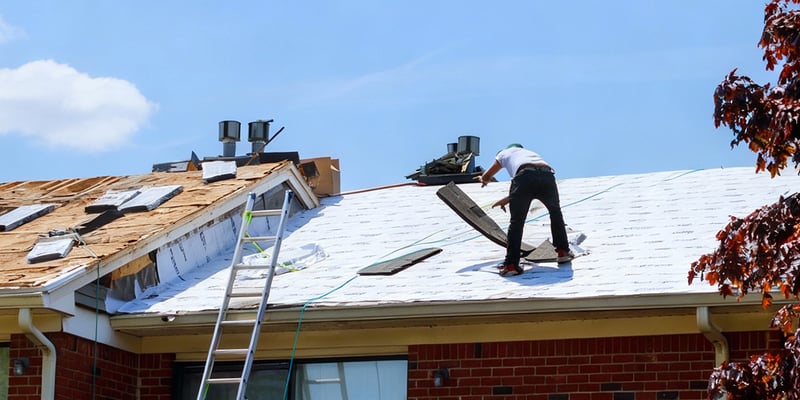
A sealed roof deck is a watertight barrier that gets installed right on top of the wooden boards at the base of your roof. It's designed to work as an extra layer of protection between the wood and the other roofing materials that eventually go on top of it. During the installation process, roofers will apply the approved sealants at every joint where the boards meet, and this seal is what stops water from seeping through any gaps or openings between them.
Florida roofers have a few different options when it comes time to seal a roof deck. Peel-and-stick membranes are pretty popular with contractors, and these products look like giant rolls of thick tape with an adhesive backing. Liquid-applied products are another common choice, and these get rolled or sprayed across the entire surface of the deck. Whichever option gets used, what you're after is one continuous protective barrier without any gaps or weak points where water could find its way through.
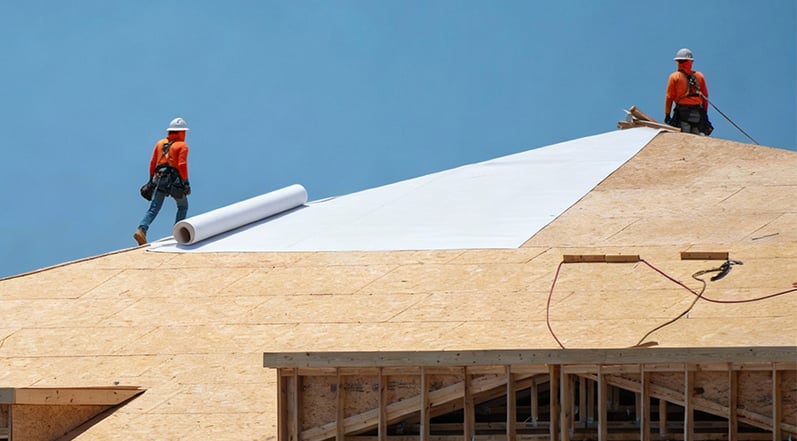
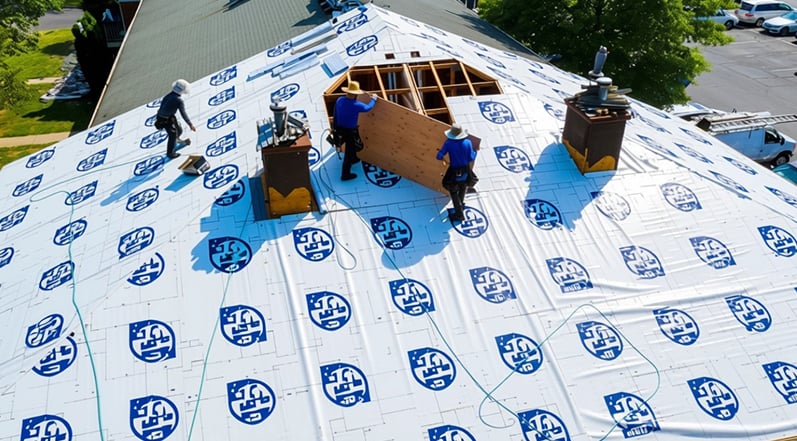
A sealed deck is actually different from the standard underlayment that you'll find on most roofs. Underlayment is the layer that sits on top of your roof deck, and it gives you a secondary water barrier to catch anything that makes it past your shingles. Using the two of them together creates a dual-layer defense system where each one has a particular role in keeping the water away from your roof structure.
Sealed decking came from the northern states originally, and up there, it was all about stopping ice dams from forcing the melted water back underneath the shingles. Florida picked it up for a different reason. Around Tampa and the rest of Florida, wind-driven rain is the main problem during the hurricane season and tropical storms. Heavy winds can hit your roof hard enough to drive rain up and underneath your roofing materials - something that normal rainfall just can't do. A sealed deck gives you that second layer of protection when the weather gets rough and the water tries to work its way inside.
Code Rules in Tampa
The Florida Building Code puts Tampa squarely in the High Velocity Hurricane Zone. Anyone planning a roof project in the area needs to look at this designation - it changes the way roofs have to be built from start to finish. The code's 7th Edition came out in 2023 and covers everything that applies to this region.
A sealed roof deck isn't needed for every project. It depends on a couple of main factors. Distance from the coast is one of the biggest factors - the properties near the ocean have to follow stricter building code standards than properties farther inland. The roofing material you're going to use matters just as much. Your material choice will set what the code calls for.
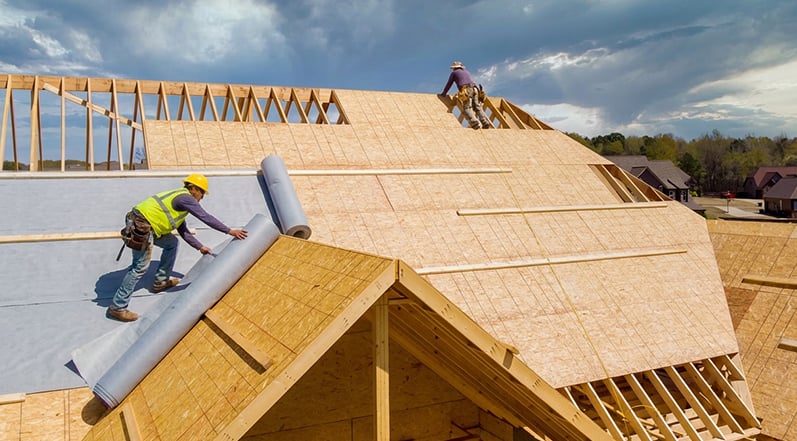
Metal roofs need a different sealing method than tile or shingle systems do, and each material attaches to the roof deck in its own way. The wind pressure is going to affect each one just a little bit differently. Building codes account for these differences, and it's why they spell out what's needed for different types of installation.
Energy conservation standards are another part of the picture here. The Florida Building Code has dedicated sections that cover thermal barriers and air sealing, and these work together with the structural standards that are already on the books. When these energy standards apply to your project, they determine whether you'll have to seal your roof deck as part of the full assembly.
Tampa takes the Florida state code and builds on it with local amendments that all contractors in the area need to follow. Usually, these amendments add extra standards on top of what the state code already asks for. When you pull a permit, the building department is going to review your plans to make sure everything meets the state standards and Tampa's local standards.
Sealed decks are usually going to be your best bet for hurricane protection and energy efficiency at the same time. Your builders are going to need to review what you're after and then match it up with the code standards to see what actually makes sense for your particular project.
Required or Optional Deck Sealing
What's needed for sealed roof decks can vary quite a bit between different types of projects. New construction has its own set of standards that need to be followed, and those are actually quite different from what you'll run into on a re-roofing job for an existing home.
Commercial properties usually face stricter building codes compared to what you'd see with residential homes. Wind zone ratings matter quite a bit for what you'll need. Homes near Tampa Bay or in any of the designated high wind zones don't have a choice - you'll need to seal your deck, no exceptions.
The height of your building is going to matter here as well. A 2-story home will have different standards compared to a 1-story ranch. The slope of your roof comes into play, too. A steeper pitch means the code may treat it a bit differently than it would for a flatter roof.
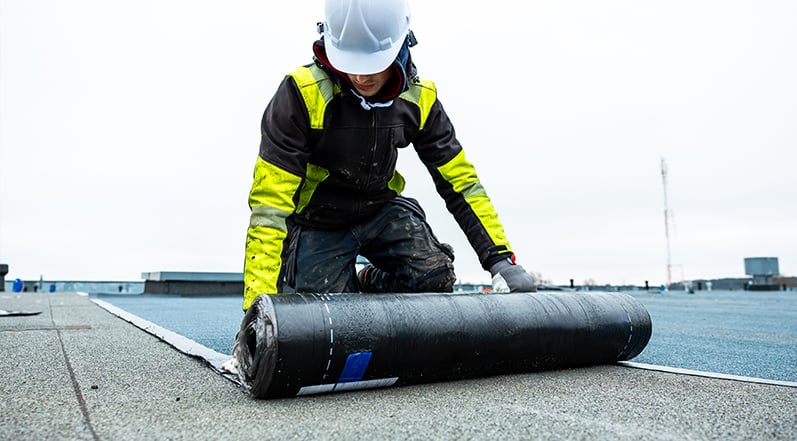
What's needed for deck sealing can be hard to parse when you try to understand what's legally needed versus what's just smart to do. Your local building code makes all the difference. Many areas will let you choose for yourself - you can seal your deck or leave it untreated, and either option is fine. Other jurisdictions have standards that make sealing mandatory, and in those cases, you won't have a choice.
Most re-roofing jobs are actually just shingle replacements, and the deck underneath stays untouched. It's much easier this way because the building code has fewer hoops for you to jump through. Deck replacement is a different story, though. Swapping out the deck boards or plywood sheets means you'll have to seal the deck. The amount of the deck that you replace will tell you if you only need to seal those new sections or if you'll have to bring the whole roof to code.
Your contractor will be able to tell you which permits and standards apply to your project. All they need to know is where your home is located and what type of work you plan to have done. From there, they can talk to you about what's needed and make sure you stay compliant.
Learn The Permit and Inspection Steps
Getting approval for your sealed roof deck in Tampa means that you'll need to work with the city's Building Services department - they're the ones who take care of the permits for this type of work. Your application is going to need your full roofing plans with the information about which sealing method you're planning to use. The city will also want to see your contractor's information and some paperwork that shows everything meets Tampa's latest building code standards.
The inspection process for sealed decks happens in a few different stages, and when each one takes place, it matters quite a bit. An inspector needs to see your sealed deck before the roofer puts any underlayment down on top of it. After that, the underlayment goes on, and nobody can go back to check to make sure that the sealing work underneath was done right. Your contractor should call the city to set up this inspection right after they finish sealing the deck.
Permit delays usually come from the same handful of problems, and most of them are pretty easy to avoid with proper preparation. Incomplete paperwork is one of the most common culprits. Plans that leave out important information about the sealing specs will also cause delays. Your contractor needs to have their license and insurance documents ready to go, or the whole process grinds to a halt.
Tampa has an online permit system available, and it makes tracking your application status and scheduling inspections convenient without having to leave your house. A lot of homeowners still like to visit the Building Services office in person, though, when they have a few questions or just feel more comfortable handing in their documents face-to-face. Either way works just fine, and each method will get you to the same place.
When a sealed deck doesn't pass inspection, the inspector will document everything that needs to be corrected in their report. Your contractor then has to go back in and fix all those flagged items before they can even schedule a re-inspection. We're talking about adding anywhere from a few days to multiple weeks to your project timeline. It's a big reason why you want a contractor who gets it right the first time around.
What You Pay for Storm Protection
The total cost for a sealed roof deck in Tampa is going to change based on a few different factors, and most homeowners want to know what they're paying for before they commit. The installation usually runs between $2 and $4 per square foot, and that's just for the deck sealing system alone. Applying that rate across your entire roof means the total price gets pretty high pretty fast.
Most homeowners don't know about this. But insurance providers will sometimes give you a discount on your annual premiums if you upgrade to a roof system with a sealed deck. How much you'll save is different for everyone, and it varies with the company that insures your home and how much coverage you carry. Over a few years, those lower premiums add up and help you recover a solid portion of what you spent on the installation.
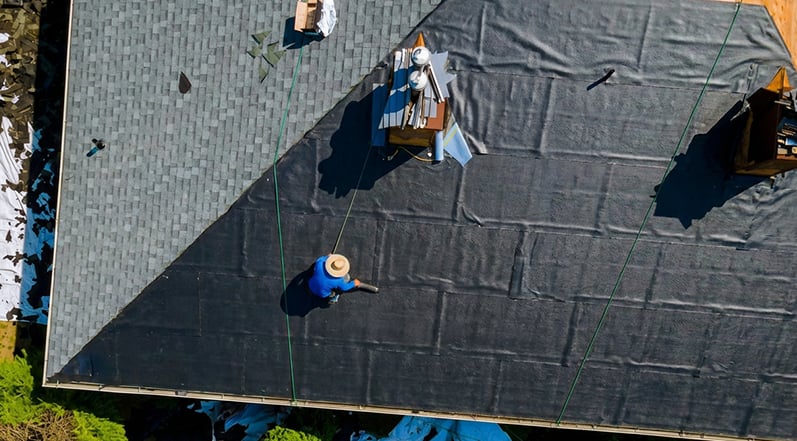
The storm season is when sealed decks show their value. Tampa Bay has been through some pretty serious hurricanes like Irma and Ian over the years, and homes with sealed roof decks came through those storms in much better shape. When the deck is sealed, water just can't work its way through the nail holes and seams in the decking material. During tropical storms, wind-driven rain ends up causing most of the interior damage you'll see in homes.
Contractors love sealed decks because they have way fewer callback visits to patch up leaks after the installation is done. The moisture barrier does something else that's pretty valuable, too - it helps your roof deck stay in great shape for a much longer time. The wood decking can last for many more years when it stays dry and doesn't have to deal with rain, snow and humidity all of the time.
Protect The Roof Over Your Head
Building codes are always changing, and what Tampa needs might not be what they need next year when they bring in new standards. Your best bet is to check directly with Tampa Building Services to get the most up-to-date and accurate information for your project. You want to be sure that you have what's currently required before the project starts.
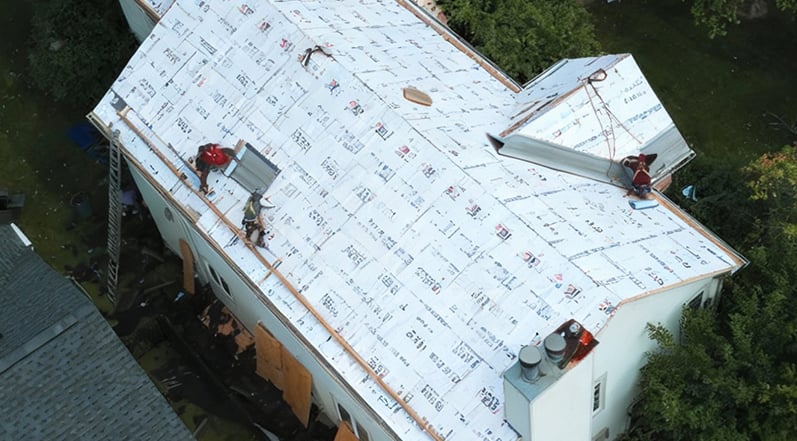
As you talk to roofing contractors about your project, you should find out what direct experience they have with sealed deck installations. Make sure to ask them what they think about the sealing for your particular property - they should be able to give you a recommendation based on how old your home is, where it's located, and what type of roofing system you want to install.
Experience matters with roofing. Working with roofers who actually know Tampa's climate and what the local codes call for will make the whole process much smoother. At Colony Roofers, we take on commercial and residential roofing projects all across Florida, Georgia and Texas, and we make it a priority to keep up with what the local codes require. Your roof is a big investment, and your safety relies on it, so it makes sense to trust your repair needs to the roofers who know their business. Contact us for a free inspection, and we'll take care of your roof!