Call (678) 365-3138



Tampa homeowners have had a rough time with their mailboxes. A non-renewal letter about roof age is probably one of the worst pieces of mail that you can pull out of that box - and in a hurricane-heavy city like Tampa, the loss of your coverage at the wrong time has very real consequences. What makes it even more frustrating is when a roof that has nothing actually wrong with it gets flagged purely because of its age.
Florida's insurance market had a rough few years around 2021, and roof age became one of the quickest ways for insurers to pull back on their coverage. Thousands of homeowners got non-renewal or cancellation notices with almost no explanation attached - nothing about their rights and nothing about what options were available to fight back. Florida law does have some protections built in for situations like this, and homeowners need to know about them. These protections have conditions and deadlines attached - the sort of detail most homeowners had no real reason to look into until a letter showed up. Roof age, roof shape, inspection results and the timing of any prior damage can all determine if a policy holds up.
At the end of the day, it traces back to how well those pieces connect. A homeowner who enters this process with a bit of knowledge behind them will come out of it very differently than one who doesn't. From what I've seen, the ones who hold onto their coverage are usually the ones who knew what to ask - and when to ask it. Insurers count on policyholders to stay unaware of their options. That bet usually pays off for them. A little preparation goes a long way here - it's just what we're going to go over.
Let's get into what Tampa insurers can do about your roof age!

Tampa Insurers Can Drop Your Coverage
Florida insurance carriers are well within their rights to deny or drop a homeowner's policy over an aging roof - and a fair number of them won't wait for it. A roof that is anywhere from 15 to 20 years old can be all it takes to get your coverage denied or cancelled outright.
Tampa homeowners felt this the most during that 2021 to 2023 window, when Florida's insurance market got very messy. Carriers left the state at a pretty alarming rate, and roof age became one of the first details they'd look at before they'd decide whether to keep a policy active.

The most frustrating part of all this (and it's a complaint I hear more than almost any other) is that quite a few of these roofs were just fine. No leaks, no missing shingles and no structural damage whatsoever. These were older roofs that had just held up for years. None of that mattered at the end of the day because age alone was enough of a reason to drop the coverage. That left homeowners in a very tough position, forced to look for a new policy in a market that was already pretty tight.
Eventually, that pressure pushed Florida's lawmakers to act. The state put new laws in place that restricted just how and when an insurer could use roof age as a reason to deny or drop coverage. Those laws changed the way quite a few of these conversations played out - it was not a total fix by any means. But they did make quite a difference in what insurers could actually get away with.
What those laws say (and what they mean for your home) is worth a look. The specifics of it can vary quite a bit, and they can directly change what options are even available to you if you ever need coverage.
What the 25% Roof Rule Means for You
Florida actually has a law that works in your favor here. An insurer can't legally deny or cancel your homeowner's coverage based on roof age alone - the only conditions are that your roof has less than 25% damage and it still has what's called "working life" left.
That second part deserves a little more attention. Your roof can still do its job (nothing more, nothing less) - that's just what "working life" comes down to. It doesn't need to be brand new or in perfect condition - it just needs to be sturdy enough to continue doing its job for the foreseeable future. An older roof that's seen better days but is still holding itself together structurally can still qualify.
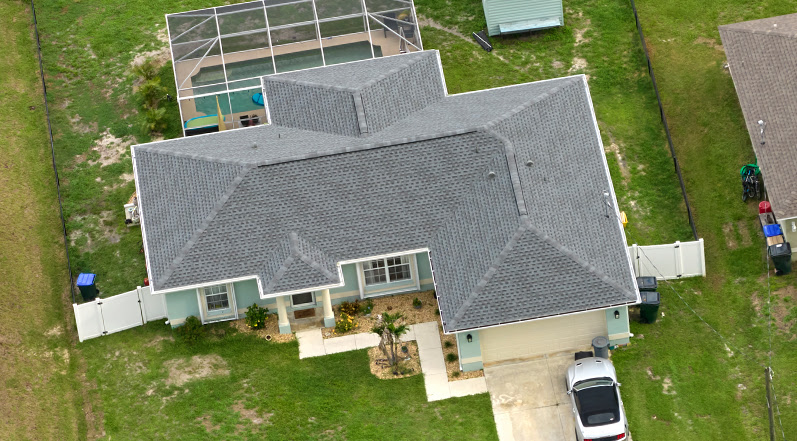
Where it gets tougher is with that 25% damage threshold (it sounds fair enough on paper) until you have to put a number on it. Most homeowners have no idea what percentage of their roof is damaged at any given time - it's right where the disputes between insurers and their policyholders usually start.
If your insurer decides that your roof has crossed that 25% threshold, they have every legal right to act on it. Without your own documentation to counter it with, you're stuck with their word for whatever numbers they come up with - it's not a great position to be in. Most insurers follow a fairly structured process when they build their case, and it's worth your time to know how that whole process works before they arrive with their own inspector and their own assessment.
How Your Roof Gets Checked Without a Visit
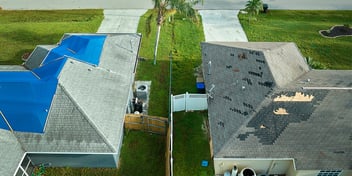
Most homeowners think an insurer has to send somebody out to their property before any coverage call gets made about their roof. Aerial imagery changed all that, though. Providers like EagleView and Verisk now give insurers access to detailed overhead photos - and with those in hand, a full roof assessment can happen without a single visit to your property.
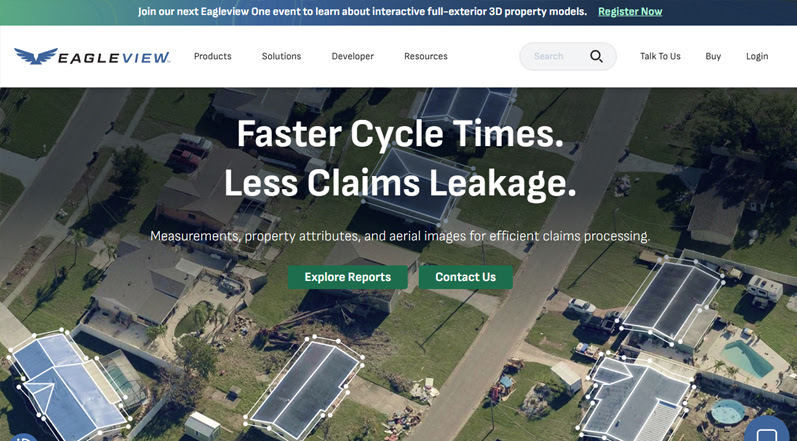
The most frustrating part of this whole process is how silently it all moves along. A letter eventually lands in your mailbox. But the call behind it was already made weeks before that, from a photo that was taken a thousand feet in the air.
Aerial images do pick up visible wear, discoloration and surface-level storm damage - and for most roofs, that's enough to go on. A camera just can't replicate what a trained inspector actually finds when they're up on that ladder. Soft patches, minor punctures and anything buried under surface debris won't register from the air - and these are the details that get missed all the time. A single aerial frame can be enough to flag your home for non-renewal. That image may only show part of the picture.
To be fair to the insurers (and I say this reluctantly), these tools came about because they're reviewing thousands of properties at once. An in-person inspection for every roof on their books isn't feasible at that scale, and aerial imaging takes care of that problem pretty efficiently. The catch is that all that convenience comes at your expense. Your entire roof gets judged on a single image from a single angle based on whatever happened to be visible on the day that photo was taken.
A process like this tends to work well when it's applied at scale. For your home, specifically, it gets a bit harder to get right.
How Your Roof Shape Affects Your Premium
Most Tampa homeowners spend quite a bit of time focused on their roof age - and for understandable reasons. Roof shape tends to matter just as much to insurers.
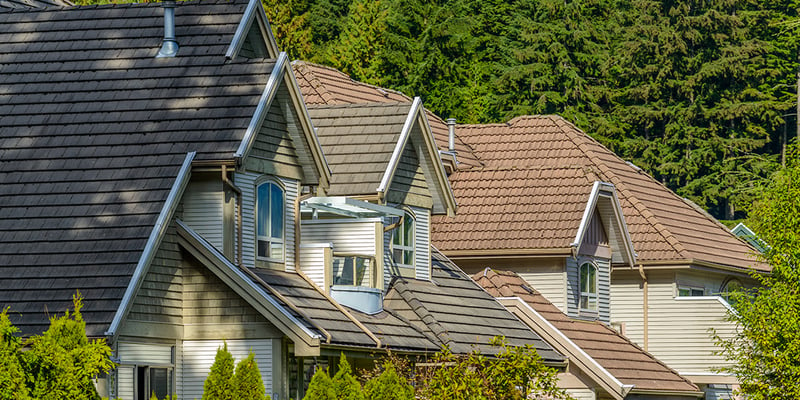
Hip roofs (the ones with four sloping sides instead of two) hold up much better when the high winds and hurricanes hit. Insurers know this, and plenty of them will reward you for it with lower premiums. A hip roof pays off at renewal time when you're comparing new quotes. It's worth keeping in mind if you're shopping for new coverage or just looking over what you currently have.
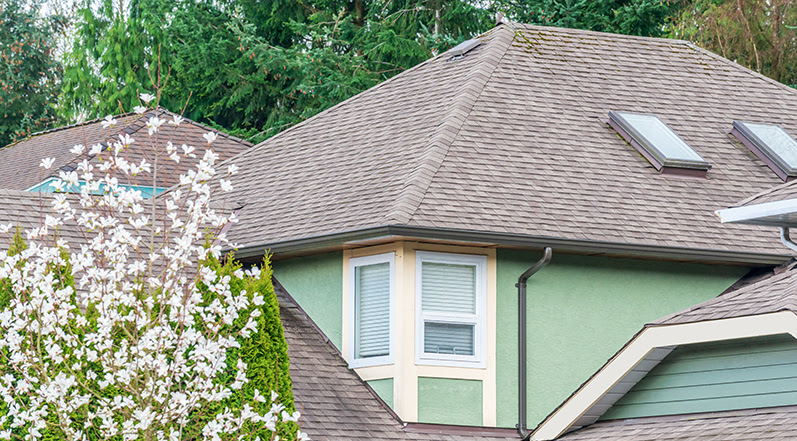
Flat roofs and gable roofs are a different situation. A gable roof has two sloping sides and two flat vertical ends. Those flat end walls take on wind pressure in a bad storm. That pressure gives you actual structural damage. Insurers know that, and the added exposure gets factored into your premium. In bad enough cases, it can push a carrier to drop your coverage altogether.
Most homeowners don't actually know what roof shape they have, even though it matters quite a bit to their coverage. Changing your roof shape takes time, so it's helpful to at least know where you stand. Knowing that puts you in a much better position to see what your insurer may do and to make moves if you have to.
What Should You Do After a Non-Renewal
Florida law works in your favor here - if your insurer decides not to renew your policy, they have to send you a written heads-up at least 120 days before coverage actually ends.
It's usually just a standard letter with a few lines covering the reason for the non-renewal and the exact date that your coverage ends. A letter like that's understandably unsettling - just know that your coverage stays active right up until that end date.

Something worth keeping in mind is that the 120-day rule only applies to non-renewals - not to every situation where your insurer ends your coverage. Mid-term cancellations (where your insurer cuts the policy before it was ever set to expire) are a whole separate process with a much shorter heads-up window. Non-renewal and cancellation are two separate events with two separate sets of laws, and the difference between them matters quite a bit when you're mapping out your next move.
Florida law also lets you push for a written explanation. If the letter feels vague or doesn't give you enough detail about what drove their call on this, you can formally ask for more specifics - and the insurer is legally obligated to respond. That extra information helps you see if the problem is something that you can fix or if you're better off just starting fresh with a new carrier.
Four months go by fast. In my experience, new coverage quotes, mandatory inspections and conversations with other insurers eat into that window quickly. The non-renewal letter is the starting point, and the sooner you treat it that way, the smoother everything tends to go.
Fight Back with a Roof Inspection
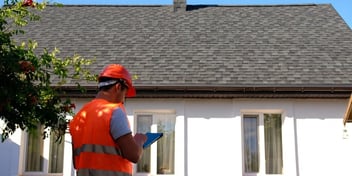
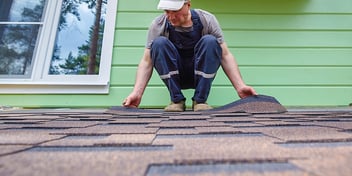
A licensed roof inspection is one of the best steps that you can take when a non-renewal letter shows up in your mailbox. If an inspector finds that your roof still has some life left and less than 25% damage, that written report gives you something concrete to bring back to your insurer - and it carries quite a bit more weight with them than a quick phone call ever would.
An inspection should be your first move - not a last resort after everything else has already gone sideways. Plenty of homeowners hold off because they're nervous about what the report might say. But that hesitation just about always works against them. In my experience, the results tend to come back in your favor - and even when they don't, at least you have an actual sense of where you stand. A professional assessment gives you a stronger hand in that conversation with your insurer. Without one, you're just guessing.
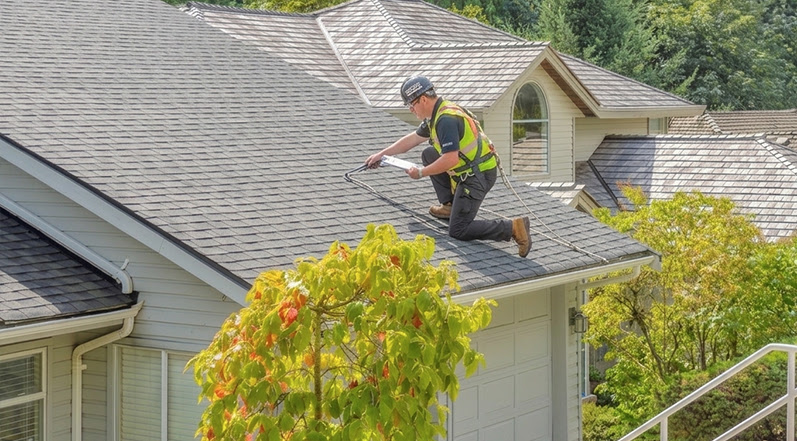
Documentation from a licensed inspector carries plenty of weight with insurance carriers - it's a whole separate conversation that's worth having.
Roof inspections are also pretty affordable - weigh the cost against what's at stake. A non-renewal letter can leave you with an actual gap in your coverage if it goes unaddressed. An inspection report is one of the few tools that can improve how it all plays out. Plenty of insurers are actually willing to revisit their call when a credible third-party report lands on their desk - especially if the roof turns out to be in better shape compared to whatever their own records had on file.
Got a non-renewal with no inspection on the books yet? That's the right place to start.
Sometimes a Full Roof Replacement Makes Sense
At some point, a roof just reaches the end of its life - and no amount of patching or negotiating will change that. If yours is on the older side and an inspector has flagged it as a liability, the fight with your insurer probably isn't worth the effort. A full replacement is sometimes just the right call.
It can restore your coverage eligibility immediately, and in some cases, it'll actually bring your premiums down at the same time. Those are two financial wins in one move. That matters when you're weighing your options.
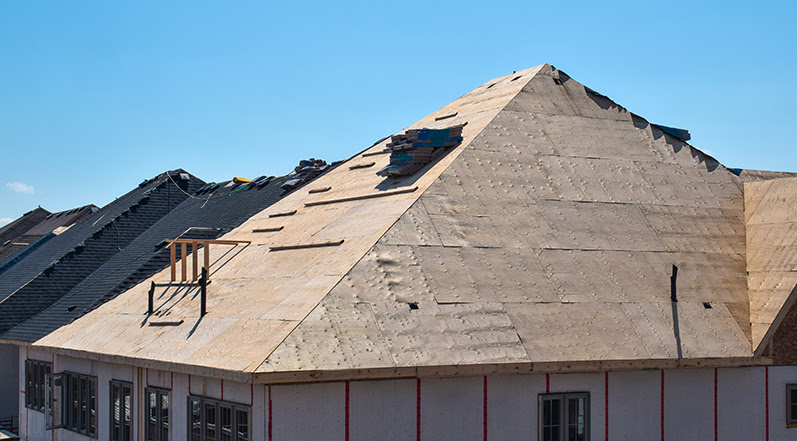
Tampa also happens to sit in one of the most storm-heavy regions in the entire country, which brings a level of financial exposure that most other homeowners never have to work with. An uninsured storm claim during hurricane season carries its own pretty high price tag, and the math works against you fast if you start putting the work off. Past a point, the cost of delay will start to exceed the cost of just having it done.
Florida does have a state-backed option called Citizens Insurance, and it was created as a safety net for homeowners who can't get coverage through the private market. If your roof needs work and your policy is close to lapsing, Citizens is worth a deeper look. Citizens works more as a bridge than a long-term fix, but it can buy you time to get your roof situation under control. With an active storm season always a possibility in Florida, that gap in coverage legitimately matters.
A roofing contractor who has experience with insurance work can be helpful throughout the whole process, from the early paperwork right through to direct coordination with your insurer. The right person in your corner during that phase can make a significant difference.
Protect The Roof Over Your Head
Roof age is one of the main factors Tampa insurers look at when they decide whether to renew your policy, and a non-renewal letter in your mailbox is not how any homeowner wants to start their week - especially with storm season right around the corner. A letter like that's discouraging - there's no question. But Florida law actually puts firm limits on what insurers are allowed to do, and homeowners who move fast on this usually come out in a much better place than those who sit on it.
A professional inspection, a well-documented record of your roof's condition as it stands or a full replacement - any one of them can change the outcome in your favor. The homeowners who feel powerless are usually the ones who didn't find out about their options until it was too late to act on them.
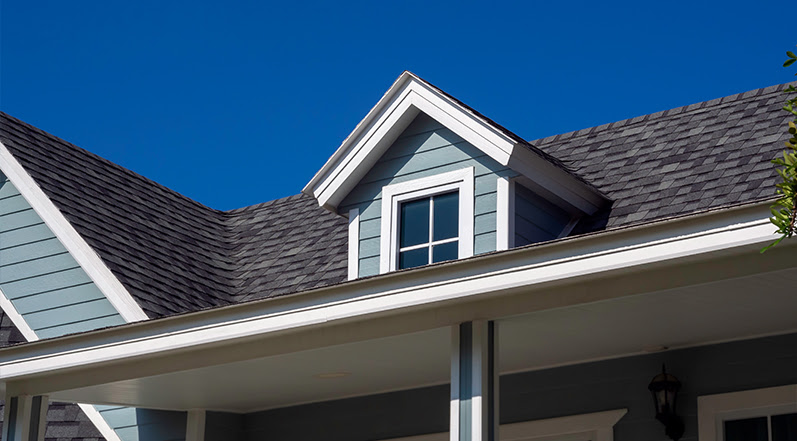
With that in mind, the right pros need to be involved early - and it does matter. At Colony Roofers, we work with homeowners and commercial property owners across Georgia, Florida and Texas. A well-documented roof inspection can carry actual weight when insurance coverage is on the line. In my experience, the paperwork side of all this gets missed more than almost anything else - it's usually right where the final outcome is decided.
If your roof has a few years on it or you'd just like some peace of mind, a free inspection is a great place to start. We'd love to come out and give you an honest answer on where everything stands. Reach out, and we'll give your roof the attention it deserves.