Call (678) 365-3138


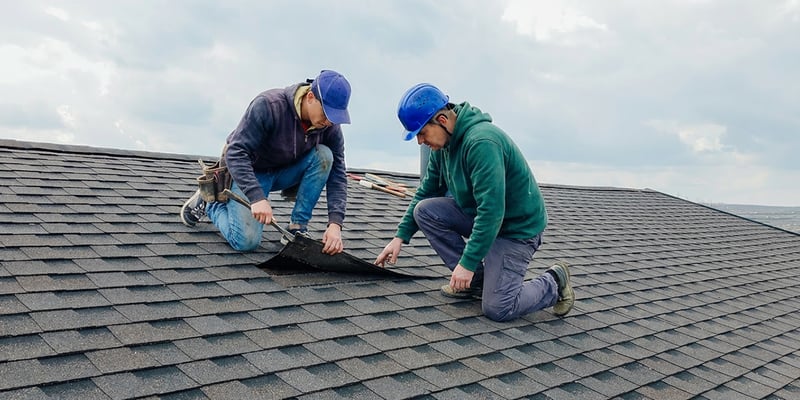

Tampa's climate brings a set of warranty problems that most homeowners across the rest of the country just don't have to worry about. With nearly 240 sunny days a year, roofing materials here take on more UV damage than most of them were ever designed for over the long run. Then add six full months of hurricane season, and it starts to make a whole lot more sense why manufacturers write far stricter maintenance requirements into their Florida-only warranty terms than anything you'd find in a standard policy elsewhere.
A single missed inspection, one skipped cleaning or the wrong product on the wrong surface - any one of them can quietly void your coverage, long before any damage ever shows up. No warning, no heads up - and your policy just goes.
The five mistakes I'll talk about here account for a big part of the warranty denials seen in this area. It's not that Tampa homeowners are careless (not at all), it's that Florida warranty agreements are actually more demanding compared to what's standard in most other states, and most homeowners never actually get a close look at the fine print until it's already too late.
These mistakes are avoidable if you know what to look for - it's just that the consequences sting. A voided roof warranty can leave you stuck paying anywhere from $5,000 to $15,000 in repair costs, and after a big storm, those numbers can climb well past that. For something so preventable, that's a very high price to pay. The fine print in your warranty is worth far more of your time than most homeowners ever give to it.
Let's go through these mistakes so your roof warranty stays protected!

How Tampa's Climate Affects Your Roof Warranty
Tampa is one of the hardest places in the country to have a roof. Between the intense heat, the year-round humidity and a hurricane season that runs from June through November, the roofing materials here take a beating that most of the country never has to face.
A roofing warranty written for a Tampa home is actually a very different document than one written for a home in Ohio - and most homeowners don't know this. Manufacturers know it well, and their coverage terms are written with that in mind.
Florida's climate is much harder on roofing materials than in most of the country, and manufacturers have adjusted their warranty terms to match that. For homes in this region, that can mean documented annual inspections, stricter ventilation standards or other conditions you wouldn't normally find in a warranty written for somewhere with a milder climate. A roof in Tampa takes a beating year after year, and the warranty language tends to match - more exposure means more work is expected from you in return.

What most homeowners don't see is that their location actually changes the terms they're working with. The general warranty summary reads the same for everyone, and most homeowners just take it at face value - they assume it applies to them the same way it applies to a homeowner in a very different climate. The fine print tends to tell a very different story, though, and those location-based conditions are buried pretty deep in the pages that most homeowners never actually get to. It's not a flaw in the system - it's just what comes with living somewhere that storms, heat and moisture all work together to wear materials down much faster than in most other places.
The first step to keeping your coverage in order is to know that Tampa's location plays into your warranty terms at all. A quick read-through of your full warranty document (with those regional conditions in the back of your mind) can be the difference between a claim that gets paid out and one that doesn't.
One Missed Inspection Can Void Your Coverage
Most homeowners have no idea that their roof warranty has a clause buried in the fine print - one that calls for documented annual inspections just to hold onto the coverage. Miss a single year, and the manufacturer has legitimate grounds to deny a future claim - even if the damage itself would have otherwise been covered in full.
The tough part is that this clause hardly ever gets read until it's too late. Life gets in the way, the roof looks fine from the driveway, and an inspection fee is hard to justify when nothing seems to be wrong - the logic is understandable. Even so, plenty of damage just doesn't show up from the ground. Tampa's heat and humidity can do actual damage that isn't visible from the ground, and a licensed inspector can catch small problems early, well before they turn into something that a warranty claim could have covered.
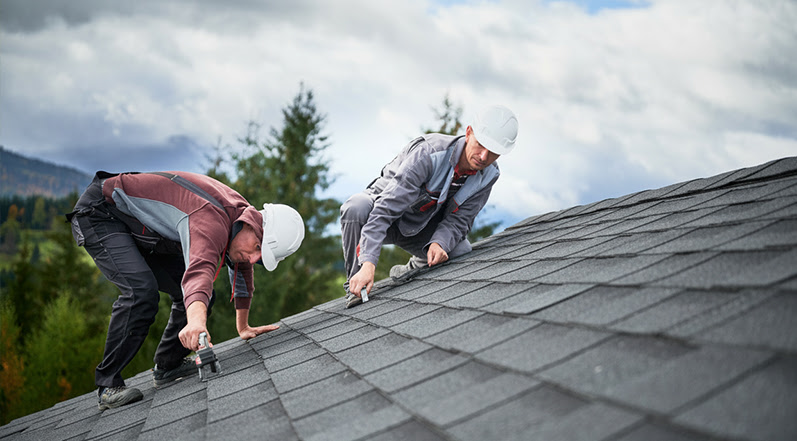
Annual inspections in Tampa run anywhere from $150 to $300. For comparison, a full roof replacement can run $10,000 or more out of pocket - that gap alone is reason enough to pay attention. What homeowners miss is the paper trail. A record of your annual inspections is what proves to the manufacturer that you held up your end of the warranty agreement if a claim ever comes up. Without those records, a claim can get denied on a technicality before anyone even looks at the damage.
The single easiest way to make sure an inspection actually gets done is to put it on the calendar at the same time every year. Most homeowners don't skip their annual inspection over the cost - it's plain forgetfulness that gets in the way. A fall appointment right after hurricane season winds down gives you a steady time each year and a schedule that's easy to keep up. It's a small effort that can protect a very large investment.
Unlicensed Roofers Will Void Your Warranty
One of the fastest ways to lose your warranty coverage is to let an unlicensed roofer do the work. Most manufacturers are pretty firm on this in their warranty terms (only certified contractors are allowed for repairs or replacements on your roof) - it's not a detail they'll let slide if you ever go to file a claim.
After Hurricane Ian made landfall, unlicensed contractors practically descended on Tampa neighborhoods with promises of fast, cheap repairs - and homeowners who were desperate to get their storm damage fixed were an obvious target. What most of them didn't know at the time was that an unlicensed contractor would just void their warranty. In some cases, these were roofs that were only a few years old.
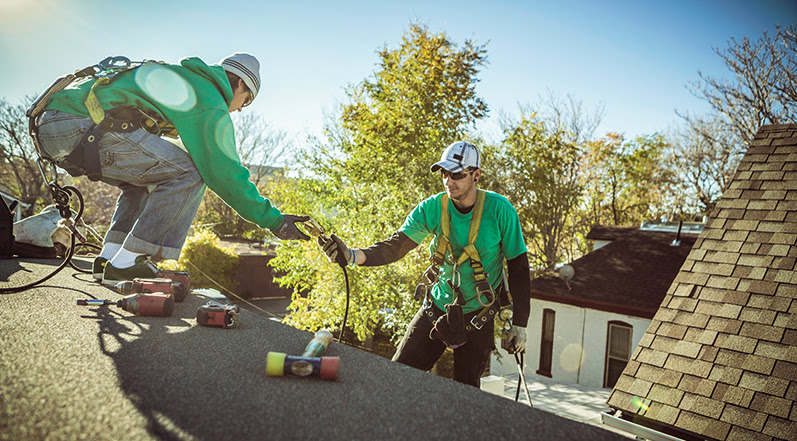
Some go for it anyway because the price is usually lower and the pitch can sound pretty hard to argue with - especially when your roof is actively leaking, and all you want is for it to get fixed. The bigger issue is that a repair done by an unlicensed contractor hands your warranty provider a reason to deny any future claim - even one that's unrelated to that original repair.
Whenever you hire anyone to work on your roof, you can do a quick license check through the Florida Department of Business and Professional Regulation. It's free and takes about 2 minutes. Any money you saved up front with an unlicensed contractor won't come close to the cost of a full roof replacement out of pocket - it's the exact bill you could be left with if your warranty ends up voided.
Bad Roof Flashing Can Void Your Warranty
A roof warranty is one document most homeowners never look at twice - at least not until there's already a problem. At that point, the damage is usually done. What tends to get missed is that solar panels, an HVAC unit or a satellite dish on your roof can void your coverage if the work isn't handled correctly.
Manufacturers have their own set of standards for how any penetrations into the roof deck need to be handled, and they take those standards seriously. Almost without exception, that means correct flashing and an installation process that follows the warranty terms to the letter. When those steps get skipped (or just rushed through), the manufacturer has every right to deny a future claim, and they will. The manufacturer doesn't need to see visible damage to deny a claim - if the installation wasn't done to their standards, that alone is enough.
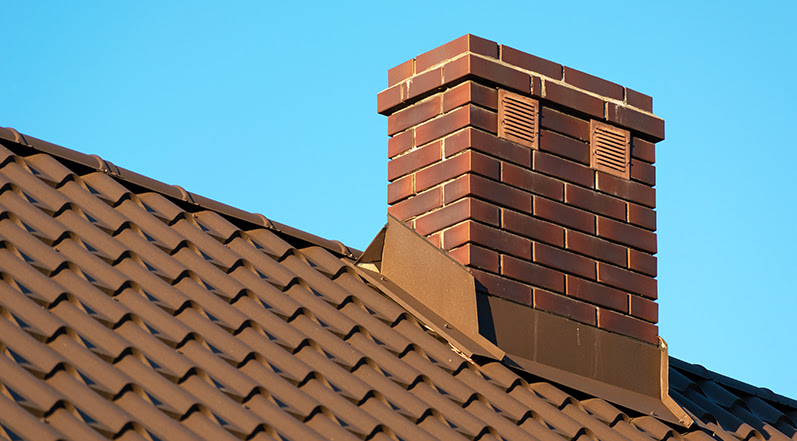
Tampa's climate can add a whole extra layer of complication here that most other cities just don't have to worry about. The combination of brutal UV exposure and very high humidity puts a tremendous amount of stress on any part of a roof that's been cut into or disturbed. A penetration that wasn't sealed or flashed correctly will allow moisture to get in slowly - and by the time you see damage on the inside of your home, the warranty has usually already expired.
Before your next home improvement project gets started, pull out your warranty documents and actually read what they say about roof penetrations and third-party installations. Many of these documents have very specific language in them. Some manufacturers want to be notified before any work even begins, and others need the installer to follow a very particular process and a record of it from start to finish.
Storm Repairs That Can Void Your Warranty
Storm repairs in Tampa can put homeowners in a very tough position - and usually not for the most obvious reason. After a hurricane or a bad wind event, the insurance company will usually send out its own contractor to get the damage patched up as fast as possible. What most homeowners won't find out until later is that it can quietly void your roofing warranty - and no one will bring it up unless you ask.
An adjuster comes out, approves the work, and a crew gets scheduled to fix the damage. The repairs get done, the claim closes, and everyone moves on with their day. But the manufacturer who actually made your shingles never gets a call.
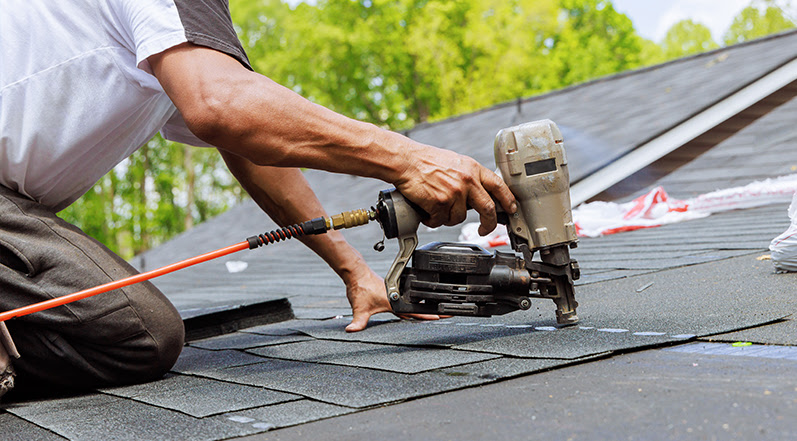
Buried somewhere in your warranty documents, there's usually a clause that says any repair work has to meet the manufacturer's standards or be done by an approved contractor. When an insurance crew does the work and the manufacturer never gets notified, those sections of your roof can lose their warranty coverage (it doesn't necessarily void the whole roof) - just the repaired areas. And when something eventually goes wrong again, those are the very sections you'll need to be covered.
After a storm, everything moves at a pace that doesn't leave much room for questions. Adjusters are in and out, contractors are ready to get on-site, and most homeowners just want their house back to normal - which is fair. What homeowners might not know is that a quick call to your manufacturer before any of the work gets underway can be the difference between keeping your warranty in place and losing it permanently. Ask them what paperwork they'll need and if your contractor is on their approved list.
Why Your Roof Paperwork Matters More Now
Florida's 2022 and 2023 property insurance reforms changed a great deal for homeowners across the state. From there, insurers and manufacturers started to look at claims with a much sharper eye and the bar for what qualifies as acceptable proof went up almost overnight.
Your paperwork carries quite a bit more weight than it used to. Contractor receipts, inspection reports and repair logs - that documentation is what an insurance company wants to see when you file a claim. Without it, the claim rests entirely on your word, and most carriers aren't excited to accept that.
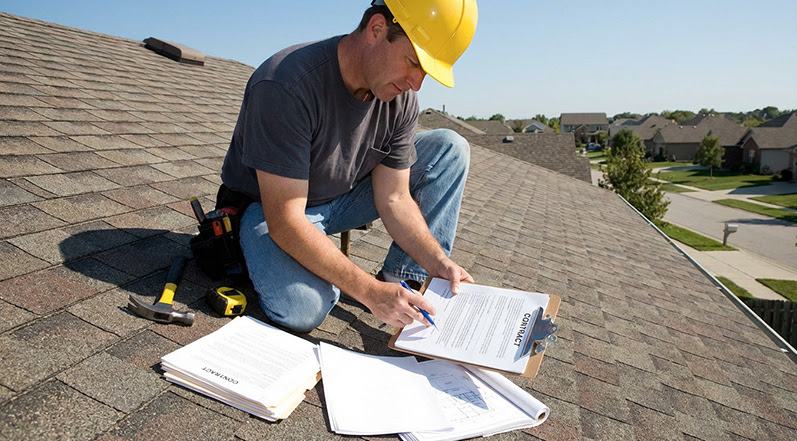
A pattern that comes up quite a bit goes something like this - the roof gets done, the receipt gets tucked into a folder somewhere, and life moves on. Then a year or two passes, something goes wrong, and those documents are just nowhere to be found. At that point, they're either buried in some old email chain or scattered across folders on a laptop that got replaced a long time ago.
The tough part is that insurers and manufacturers don't actually have to prove you did something wrong - all they need to show is that you can't prove that you did something right. An undated inspection report or a missing repair log is plenty of justification for a denial letter to land in your mailbox. No one wants to lose a claim over something that was avoidable.
A dedicated folder (be it a physical binder or a labeled section in your cloud storage) for your roof-related paperwork is one of the easiest ways to protect yourself from that outcome. Date everything - keep it organized and make sure that it lives somewhere you can find it when the time comes. It's a small habit. But those small habits carry weight when you actually need them.
How to Keep Your Roof Warranty Valid
Most homeowners just get busy, and a roof warranty rarely stays top of mind. Between work, family and everything else in life that's vying for your attention, it's pretty easy to let something like this get ignored.
An annual roof inspection is one of the easiest ways to catch small problems before they ever turn into warranty disputes. A licensed contractor will document the condition of your roof. That paper trail gives you something actual to point to if a claim ever comes up.
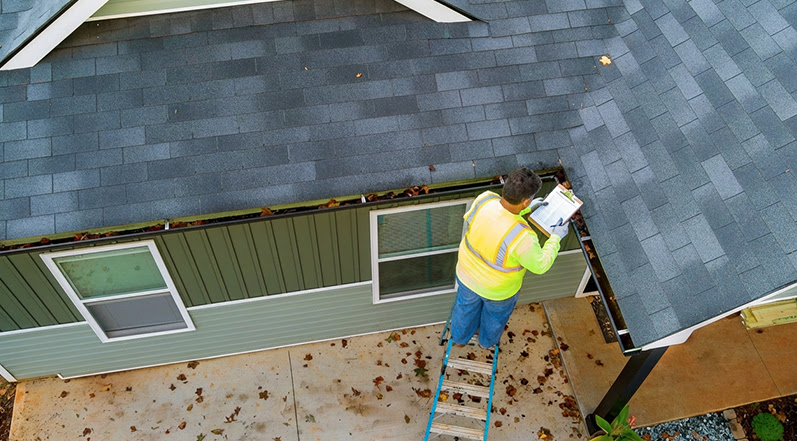
Any contractor you hire to work on your roof needs to have a valid license - and it only takes a few minutes to verify that through the Florida Department of Business and Professional Regulation. Warranty coverage can quietly disappear the second an unlicensed contractor touches your roof.
Any time you want to make changes to your roof (solar panels, a skylight, anything like that), the warranty documents need to come out first. Plenty of warranties have very particular language around what counts as an approved change, and one wrong move (even an accidental one) can wipe out your coverage completely.
Once the repair work is done, contact your manufacturer directly.
One last point - your paperwork. Your original warranty, inspection records, contractor invoices and any correspondence with your manufacturer all deserve their own dedicated folder, whether that's a physical binder or an online one. Months or years can pass without you needing any of it. But when that day finally does come, you're going to be relieved that it's all right there together.
Protect The Roof Over Your Head
Roof warranties are easy to lose track of - at least until the day that you actually need one. The great news is that your coverage doesn't take much effort to get right. Most of it's about what to look out for, and if you've read this far, you're already a step ahead of most homeowners who never bother with this part.
Tampa's climate is rough on roofs, and the warranty terms in this area are written with just that in mind. The factors that matter most (your paperwork, your inspection schedule and the contractors that you bring on) can matter quite a bit if something goes wrong. In most cases, it's just a gap in what they knew was expected of them.
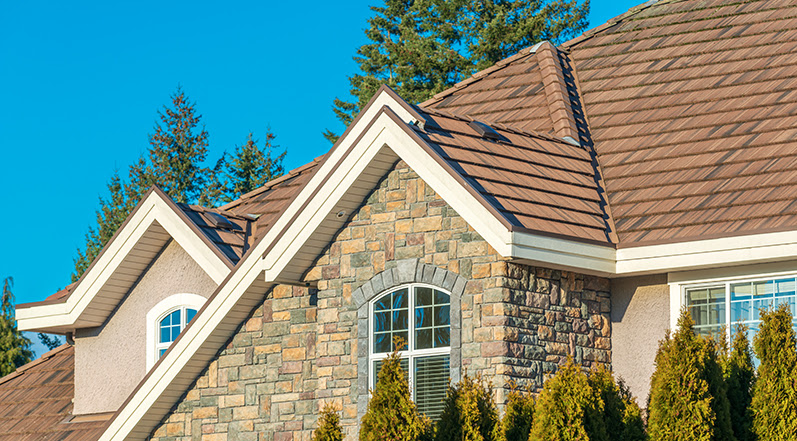
We work with residential and commercial properties, with our teams spread across Georgia, Florida and Texas - so wherever you are in those states, we have a team nearby. A free roof inspection is one of the easiest steps you can take to protect your coverage - it gives you an honest look at where your roof actually stands. Nobody wants to file a claim and find out afterward that something along the way quietly disqualified them.
When you're ready, Colony Roofers is here - and we'll take care of everything from there. A strong roof is one of the biggest assets your home has going for it, so let's make sure that yours stays that way.