Call (678) 365-3138



A damaged roof on your Tampa home actually creates two problems at once. On one hand, your roof needs to get fixed fast because Tampa's storms and humidity can turn a small leak into serious water damage in no time at all. But then, you have the HOA approval process that sits between you and the work that needs to get done. Plenty of homeowners find out that their application has been sitting in some management company's inbox for weeks, or that one missing document just pushed their review back a whole month!
Most approval delays don't actually happen because your HOA is tough on you - they happen because of common mistakes that are pretty easy to avoid when you know what to watch for. Applications get rejected or sent back for revisions when homeowners forget to attach their contractor's license information, or when they choose materials that the board hasn't approved yet, or when they submit plans without the needed wind-resistance certifications included with them. Each round of revisions adds another few weeks (at minimum) to a process that already drags on forever.
In Tampa's climate, delays like these can cost you thousands of dollars. Water that pools up from those summer storms will start to grow mold in as little as 24 to 48 hours (sometimes even faster). Hurricane season runs from June through November, and it means your damaged roof will take more hits from severe weather as you're still waiting to hear back from your insurance company. A submission on the first try will save you time and money, and the review committee can approve your claim much faster.
Let's go over the main steps to speed up your HOA roof approval process!

Know Your HOA's Roof Rules
Homeowner associations in Tampa each have their own architectural guidelines. These can vary quite a bit from one community to another. A roof style that's fine in one neighborhood could be prohibited in the next community over when they're just a few blocks apart.
You'll have to track down the documents that spell out what your HOA allows for roofing materials and colors. This information usually lives in your CC&Rs or in a separate set of architectural standards that the association has on file. You probably got copies of this paperwork when you closed on your home. If you can't find them right now, just contact your HOA management company or the board members directly - they can send you the email copies pretty fast.
Tampa sits right in the heart of hurricane territory, so your HOA is going to have some strict standards about wind resistance. Most associations in the area will want you to install impact-resistant shingles or other roofing materials that have been officially rated for high winds and the rough weather that comes with living on the Gulf Coast.
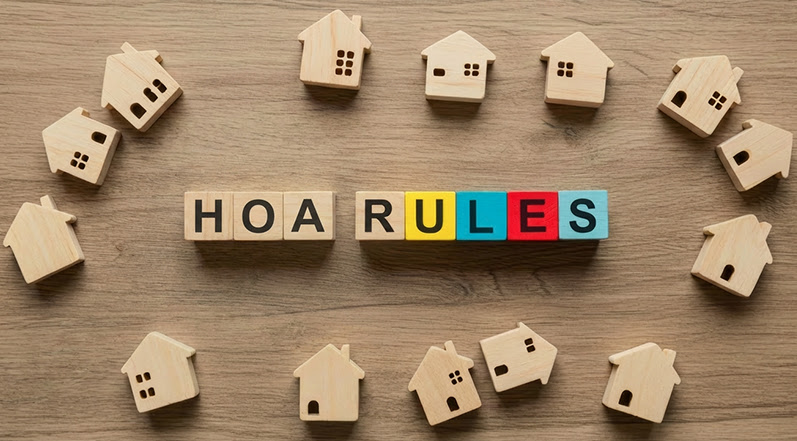
The standards can be pretty different from one Tampa neighborhood to the next, and this tends to depend on where your home is located. Some communities will only allow traditional asphalt shingle colors like grey or tan - and that's about it. Other neighborhoods will let you install tile roofs. But they need to be particular styles that work well with the Mediterranean architecture found throughout the Tampa area. Your neighborhood may have even stricter standards for which colors or materials you're allowed to use on your roof.
The architectural section is where you'll find the language about variance procedures, and this part deserves your attention. Plenty of HOAs will actually let homeowners request exceptions to the standard requirements as long as you have a decent reason for it. For example, you might want to install solar panels or use a paint color that's just a shade or two different from what's on the approved list but still looks great with the rest of your house. When your association has a variance process built in, it can open up possibilities that you probably didn't know were available.
The documentation and paperwork come in a bit later - after you've finished this first round of research. For now, what you want to think about is which standards are actually going to affect your particular project. As you're reading through everything, mark down the relevant pages or write down the main standards that you come across.
Get All the Required Documents
Your application package needs to include a few important documents, and the HOA board won't actually review it until everything they need is there. Tampa HOAs usually want to see your contractor's license up front, along with the up-to-date insurance certificates from your contractor. Material specifications are another document they'll need, and you'll also need to include color samples that match what you're actually planning to install on your property.
A lot of HOAs want architectural drawings even for a basic roof replacement. They need to see what's changing with your roofline or any structural changes you're planning. Leave just one of these out of your application, and you'll have to start over with a new review when you resubmit everything.
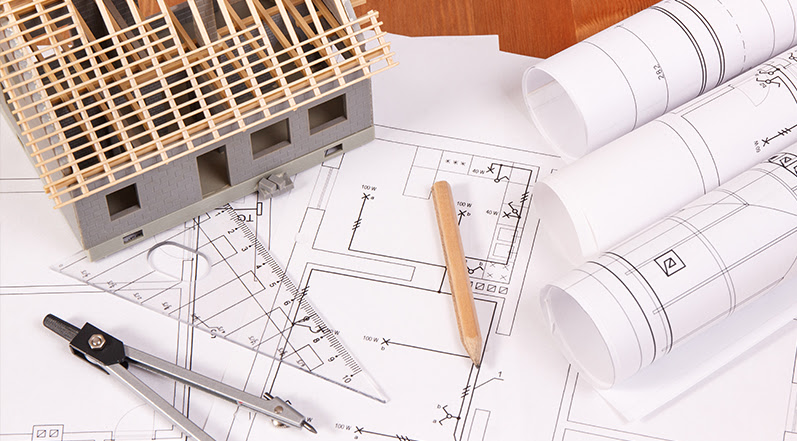
Every neighborhood has its own set of concerns for the documentation you'll need during the permit process. Westchase HOAs are usually pretty particular about wind uplift ratings - the area has dealt with plenty of storm damage over the years, so history makes them focus heavily on roof durability and strength. New Tampa HOAs usually care more about appearance - they want your new roof to blend in well with the surrounding homes and keep that similar neighborhood feel. The best way to find out what you need is to talk with a neighbor on your street who recently went through a roof replacement - they can tell you the details on what they needed and how smooth (or difficult) the approval process turned out to be.
The easiest way to get started is to pick up the phone and call your HOA management office. Ask them if they have a checklist of what you need for your project. A lot of boards keep a standard form on file that lists out everything they'll need to review your application. Others like to schedule you for a quick meeting with the architectural committee first, before you submit anything official. Either way works fine - just be sure you know what documents and information to get ahead of time, or you could wind up with a pile of paperwork that nobody actually asked for.
You should make copies of everything you're going to send in, and I'd recommend keeping a log of when you submitted each item. This documentation will protect you in case something gets lost in the process or if there's ever any uncertainty about what you've already submitted. Your contractor has likely been through the HOA approval process multiple times before, so they can be a helpful resource for putting together the technical documents that you'll need. They can probably help you compile everything much faster than if you tried to figure it all out yourself.
Save Time with the Pre-Approved Lists
Plenty of Tampa HOAs already have pre-approved lists of roofing materials. Using something from one of these lists can speed up approval by weeks. The lists usually include architectural shingles (usually in neutral colors), a few different tile options and sometimes metal roofing products as well. Most HOAs around Tampa have these lists on hand, so your association probably has one available.
Picking something that's already on the pre-approved list will save you weeks before the board makes a call. They've already looked through these materials and confirmed that everything meets what the community needs, so you don't have to attend any extra meetings or wait around for different committees to weigh in. Your application just moves through without the usual holdups.
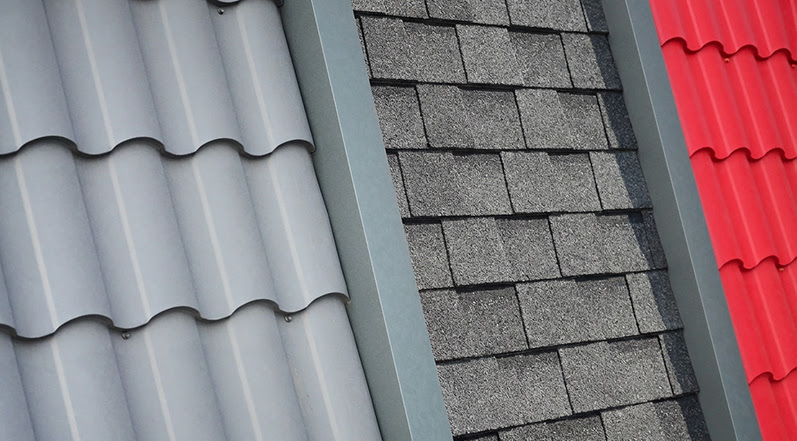
It gets more complicated if you want to use a material that's not already on their approved list. Pick something outside of what they've pre-approved, and you're going to wait much longer for an answer. The board needs extra time to decide if what you've chosen actually matches the look and feel of the rest of the neighborhood. How long this takes really depends on how your HOA is set up - sometimes it's just a handful of committee members who review it, and other times they might bring in an outside consultant to give their opinion on what you're proposing.
Location really matters for what your HOA will actually let you do with your roof in Tampa. The historic districts down in South Tampa are much stricter about materials and color options. These communities want to preserve that classic Florida architectural style, and they enforce it strictly. Newer developments (like the ones in Wesley Chapel) give homeowners a lot more freedom to try out modern roofing options and to try some different looks.
The quickest way to get approval is to match what already exists in your community. The homes that have recently replaced their roofs tend to show patterns in the materials and colors that appear again and again. When your roof matches what's already been approved in the past, the HOA board can look at your application and see pretty quickly that it's not going to stick out or clash with the rest of the street. HOA boards just want every home to fit in with the general look and feel of the neighborhood. Give them that, and approval gets a whole lot easier.
Emergency Approval Rules for Your Home
Damage can hit your home out of nowhere, and when that happens, you'll need to act fast. HOA boards know that emergencies don't wait for the next monthly meeting, and that's why most of them have procedures in place just for these kinds of urgent situations.
Active leaks that soak through your ceiling are going to count as emergencies. Visible storm damage after a hurricane tears through Tampa qualifies, too. The same goes for structural problems that could make your roof unsafe or put it in danger. With any of these, you can request emergency approval and skip right over the normal review process.
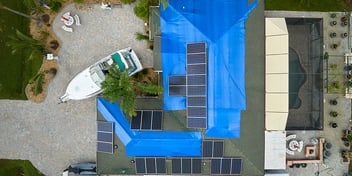
Speed matters here, and you'll have two separate steps you'll need to take care of. The first one is to get approval from your insurance company to put up some temporary protection - we're talking about measures like tarps or emergency patches that'll stop any more damage. Most of them will give you the green light within about 24 to 48 hours, as long as you've documented everything with detailed photos and submitted your first claim paperwork.
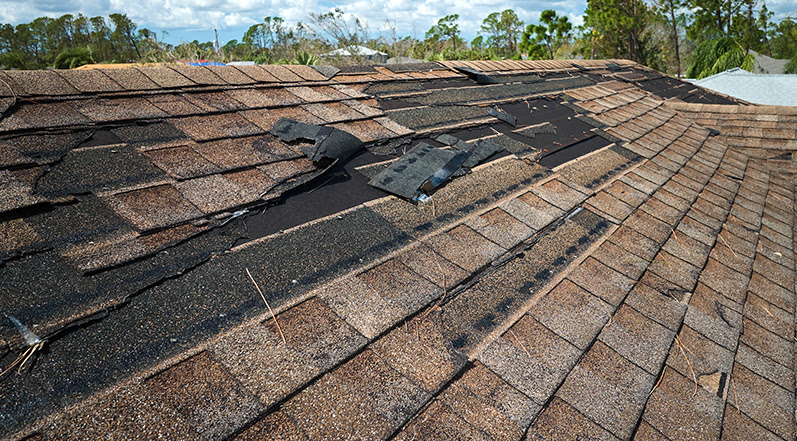
After you've taken care of the immediate emergency and stopped the damage from spreading, the second phase of the approval process begins. Full documentation still needs to be submitted for the permanent repair work - this means your contractor's full proposal, along with the material specifications they're planning to use. It's the same documentation that's needed for any other roof project in your community. The board needs to verify that your final repairs are going to meet the community standards - even though you already had to move fast and start the emergency work to protect your property.
Hurricane Ian is a solid example of how this actually works in practice. Boards were able to approve emergency tarping permits in no time across Tampa neighborhoods because the homes needed immediate protection from more weather damage. Homeowners still had to come back later with their full plans for the permanent roof replacement work. But at least the temporary protection could get in place fast. Insurance paperwork helped speed up the emergency permits and the final ones because it proved to the boards that the damage was serious and the repairs were actually necessary.
Your HOA board wants your home protected - that's part of their responsibility to the community. The board also has to make sure any repairs or changes you make still meet the neighborhood standards that everyone agreed to. Strong communication matters quite a bit here, so be direct about what needs to happen and why you can't wait. Have your paperwork ready to go before you submit your request, because that's going to speed up the approval process quite a bit. Most HOAs have emergency procedures set up for just this type of situation when you'll have to stop more damage without delay. These procedures allow you to take care of the urgent repairs first, and then the board can review everything and sign off on your permanent fix once they've had a chance to look at the full picture.
Pick Contractors with HOA Experience
Contractors who work with Tampa HOAs all the time already know what the boards want to see. Most of them have spent years building strong relationships with the management companies. They understand the details that actually matter when your application goes through the architectural review.
Most of them have their submittal packages prepared and ready to submit, with the standard documents you're going to need. They already know which suppliers carry materials that have been approved by your HOA in the past. This will save you time when you're trying to find options that will actually pass.
Some contractors focus on the same communities over and over again, and many of them have built up strong relationships with the bigger HOA management firms around Tampa. If a contractor has already done a handful of projects in your community, they're going to know from the start what types of projects your board has been willing to approve before. That means they can point you in the right direction and recommend options that are more likely to get the green light from your board.
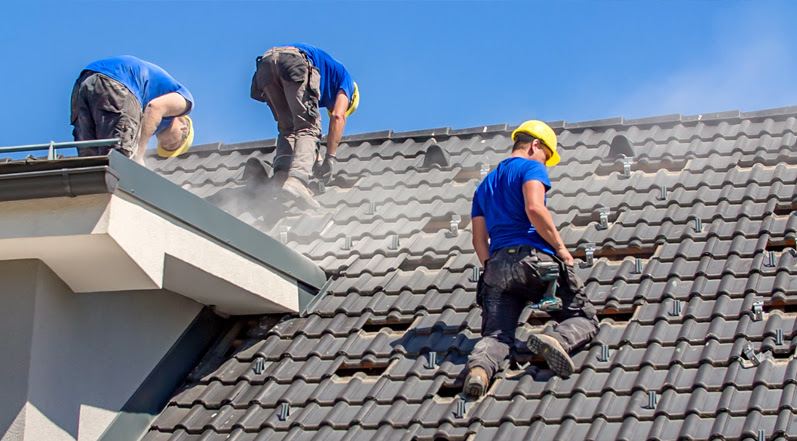
Everything I covered earlier still applies here, too. You should read your governing documents from front to back (every single page of them), and your applications need to be thorough if you want to prevent delays. Communication with your board should be regular and specific - updates and explanations go a long way. When you know you can use the emergency provisions, it will also save you time when you're in a crunch. The contractor you work with can either make this entire process much easier or create plenty of unnecessary complications.
A contractor who already has experience with Tampa HOAs will know which questions to ask you from day one. They will help you collect the necessary documents and put together your submission in a way that covers the board's most common questions before they bring them up. That familiarity with the approval process helps quite a bit, and you can usually get approved and move forward with your project much faster than you could otherwise.
Protect The Roof Over Your Head
A smooth HOA approval process depends on how well you get ready ahead of time. Get together all your paperwork early on, find out what your HOA is looking for and choose materials that are already on their approved list - you're usually looking at about 7 to 14 days for approval. But if your application is missing information or you didn't follow their guidelines, you could end up waiting 30 to 45 days or longer. Tampa's weather doesn't give you much room to mess around either - the afternoon thunderstorms can roll in without much warning, and the humidity leads to water damage and mold problems. Those extra weeks of waiting can turn what should be a simple roof repair into something much bigger and more expensive.
It doesn't need to be hard, though. Take the strategies we walked through earlier and work with a contractor who understands what your local HOA wants - this combination makes the whole process much easier to manage. You'll stay in control of the timeline, and your home will get the protection it needs.
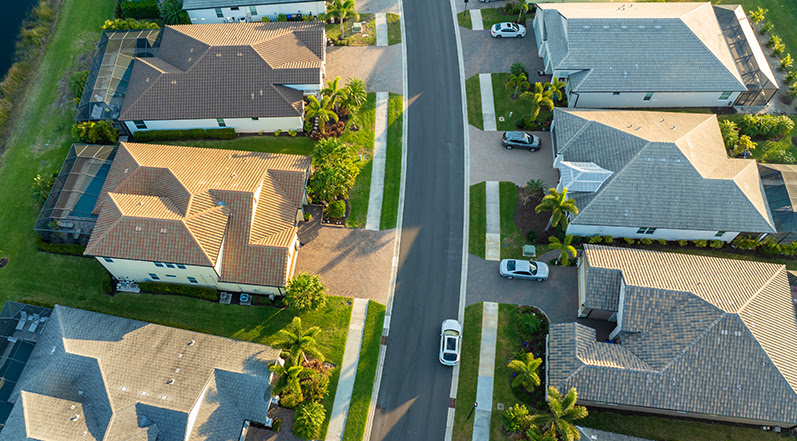
The right roofing partner really matters for your home and your sense of security. Colony Roofers takes care of commercial and residential roofing projects throughout Georgia, Florida and Texas. Tampa HOAs have their own standards for roofing applications, and we've submitted enough of them to know what they're looking for. Call us for a free inspection, and we'll take care of your roof with the quality and attention it deserves.