Call (678) 365-3138



A new roof is already one of the bigger costs that a Tampa homeowner will ever face - and the last issue anyone wants to manage right after is a higher property tax bill. That concern is very valid, and it comes up quite a bit. A full replacement can run tens of thousands of dollars, and the idea that the Hillsborough County Property Appraiser might see it and bump your assessed value up can just add some more stress to an already stressful situation.
Plenty of homeowners delay roof work for years because of this exact concern. They'll patch a deteriorating roof again and again just to stay away from any chance of a reassessment. What they don't always account for is that the delay has its own price tag. Repair bills can pile up fast, and water damage tends to creep in quietly. The insurance problems that eventually follow can run far higher than any property tax increase ever would have.
The good news is that a roof replacement won't automatically raise your tax bill - a few factors need to line up for that to happen. The type of replacement matters, and so does whether a permit gets pulled, what Florida's homestead exemption laws already cover and the way your appraiser classifies the work. None of these are random - they're well-established parts of the process, and homeowners who go in with a sense of how each piece works are in a much stronger position to protect their home and their wallet.
A little bit of research first can pay off. What actually triggers a reassessment (and what doesn't) will change how you go about the rest of the project.
Let's get started on how a new roof could affect your Tampa property taxes!

How a Tampa Appraiser Values Your Roof
The Hillsborough County Property Appraiser doesn't look at your home as just one single unit. The whole property gets broken down into a number of separate pieces - the condition of the structure, what materials were used, the total square footage and the age of the different parts throughout the home.
Your roof is, of course, one of them and still just one part of a much bigger picture. An appraiser weighs the full property together as a whole, and a single update won't automatically change what your home is worth on paper.
A straight swap of an old roof for a comparable one (same materials, same coverage, nothing new added) will usually fall neatly on the maintenance side of that line. A roof that actually changes something about the property is a whole different matter. Better materials, expanded coverage or features that the home never had before are the upgrades that can push a roof replacement into improvement territory. The facts do matter here - what you replaced, what you replaced it with and just how different the two of them are.
An example would be two neighbors who got brand new roofs in the same year but came away with very different numbers on their assessments. One kept the same materials and footprint as before. The other upgraded to a higher-grade material with a longer lifespan. Same year, same neighborhood, very different results. What changed about the property is the real variable.
That distinction matters if you expect a new roof to move your assessed value in either direction. Sometimes it does, and sometimes it doesn't, and the difference can usually depend on those specifics.
A Permit Can Put Your Home Under Review
A roof replacement in Tampa should have a building permit before the work can even start. Once that permit gets pulled, it goes on the public record - and the Hillsborough County Property Appraiser's office has full access to it.
A permit on file is usually what sends homeowners into a mild panic - and it just doesn't need to be. The permit records on their own don't automatically mean that your property taxes are going up. That distinction is worth holding onto. What it does mean is that an appraiser might take a more careful look at your property, though in most cases it's a pretty standard review and nothing more.
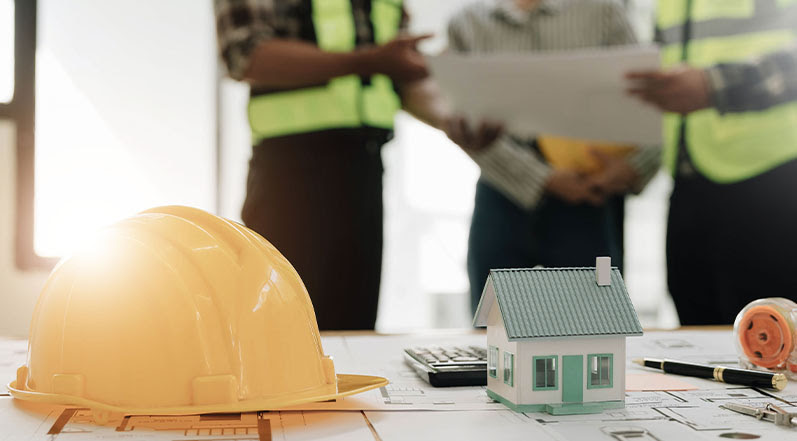
An appraiser's job is to check that the assessed value of your home accurately lines up with the property's condition - if you replaced a roof, added a second story or did any other big work on the property. A new roof doesn't add any square footage or livable space, so in most cases, it's not going to change your assessed value by much.
The permit's a paper trail - it lets the county know that the work was done and it was done to code. From there, it's for the appraiser to see if any of that work made a difference in your home's value - it's going to depend on a few factors that are pretty particular to your property and what was completed. The age of your old roof, the materials that were used and the general condition of your home all go into that final number. A straight replacement on a home that was already in decent shape is a very different situation from a big upgrade that actually takes the property from worn-down to well-maintained.
Most standard roof replacements in Tampa won't mean a tax increase - and that's good news for most homeowners. Even so, it's worth learning about how the review process works before a permit ever gets filed.
A Simple Swap Won't Raise Your Taxes
A new roof won't automatically raise your property assessment - it's actually one of the more helpful details to know here. A big part of it can depend on what type of replacement you went with and how the county decides to classify the work.
The way you frame your project matters quite a bit here. When you're replacing worn-out shingles with new ones of the same type, an appraiser won't read that as an improvement to your home - they'll read it as a restoration. Those two are treated very differently on paper, and the distinction is the whole reason that a standard roof replacement won't automatically trigger a reassessment.
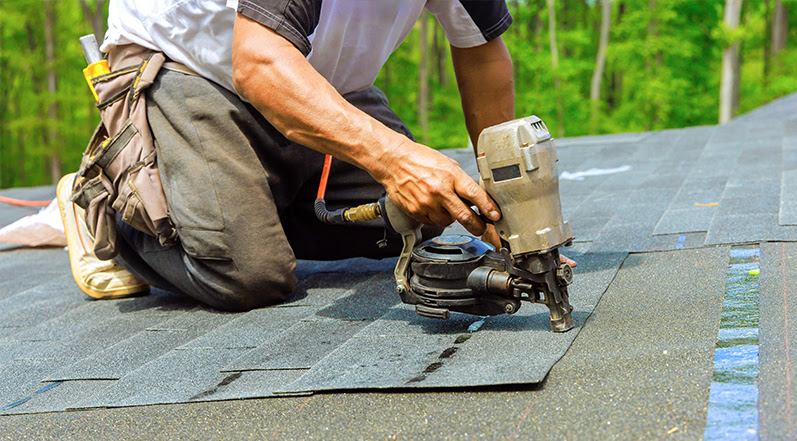
The outcome can also look different if you make changes to what was there before. Upgrading to a more premium material or adding features that weren't part of the original roof can lead the county to view that as an improvement instead of a replacement. In those cases, a reassessment can become more likely. So the type of work that you do and how closely it matches what was already there can affect the outcome.
For most homeowners, though, that's legitimately great news - especially after you've spent that much on a full roof replacement already. A new roof is expensive enough on its own, and nobody wants to find out that their property taxes are going up right after they paid for one. A standard replacement with comparable materials won't be treated as a taxable improvement in Hillsborough County, which means the work that you put into your home doesn't have to cost you twice.
How the Save Our Homes Cap Works
Florida has a built-in protection for homeowners called the Save Our Homes cap, and it comes directly from Amendment 10. What it does is put a hard limit on how much your home's assessed value can climb in any given year - capped at either 3% or the rate of inflation (whichever one ends up being lower).
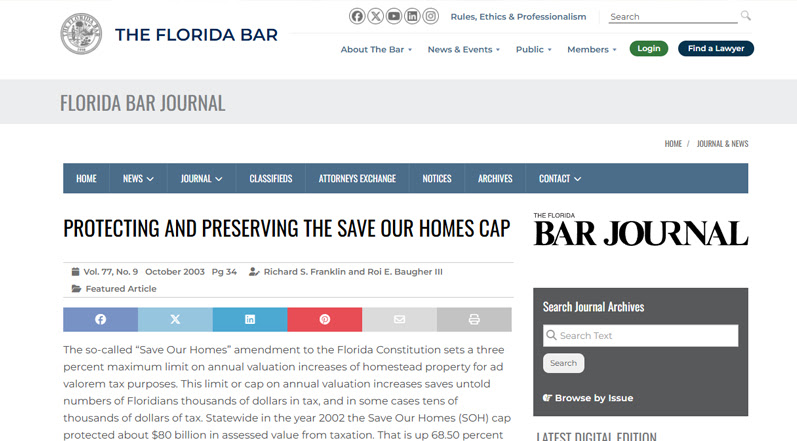
Even if a new roof does push your home's value up, the homestead assessment cap puts a limit on how much that increase shows up on your tax bill. Tampa's housing market has climbed fairly steadily over the past few years, and without that protection in place, assessed values could run up fast. The cap is what stands between homestead property owners and any out-of-control growth.
One detail worth clarifying first is what "homestead" means in this context. The Save Our Homes cap only applies to your primary residence - and you also need an active homestead exemption on file with the Hillsborough County Property Appraiser. These are two separate protections (the cap and the exemption), and each one has its own set of conditions. You need both in place before any of this works in your favor.
The exemption doesn't apply on its own - every homeowner has to actually submit an application to get it in place. Once it's filed, it stays active for as long as you own the home and use it as your primary residence. Anyone who bought recently and hasn't filed yet should carve out a few minutes to look into it. The process is pretty straightforward, and the amount it can take off your annual tax bill is (in my experience) well worth the effort.
A new roof is one project that rarely pushes property taxes up. The Save Our Homes cap does a great job of keeping your assessed value in check, and it's one of the better upsides of owning property in this state.
Florida's Tax Break for Storm-Ready Roofs
Florida actually has a law on the books that can work out in your favor if you replace your roof with storm-resistant materials - and it specifically applies if your new roof has wind-mitigation features. Most homeowners upgrade to storm-resistant materials because of hurricane season - but the logic behind the tax exemption is straightforward. Florida wants homeowners to build stronger and more storm-ready homes, and the state created a tax incentive to make that easier.
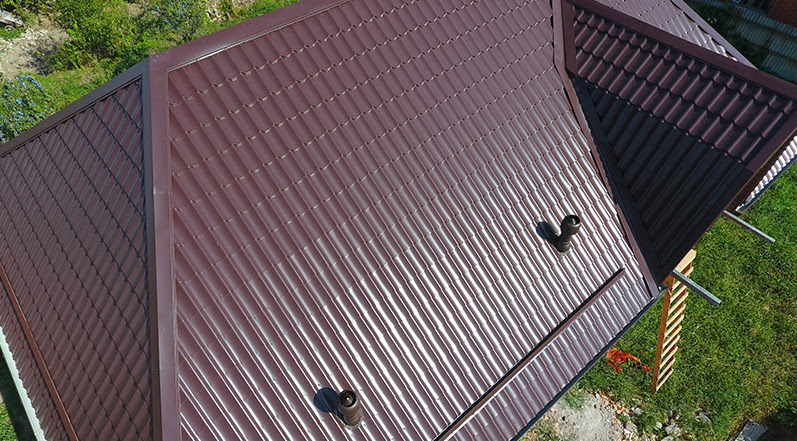
Instead of penalizing you for the value that better materials add to your property, the exemption covers only the portion of added value that came directly from those wind-mitigation upgrades. Your assessed property value won't climb just because you invested in a stronger roof - and the difference means actual savings on your annual property tax bill. To claim it, you'll need to file the right paperwork with your local property appraiser - and not every roof upgrade will qualify. A quick call to the Hillsborough County Property Appraiser's office is the best way to find out just what applies to your roof and what steps you'll need to take to lock it in.
Timing matters quite a bit in this process. Ideally, you'd want to start the conversation before your installation is finished - or at the very least, right after it's done.
A Better Roof Can Be Worth the Cost
The bigger the difference between your material costs and the total project price, the more your renovation comes across as a genuine upgrade to your home's value - and appraisers are trained to catch just that.
With that said, you do have actual reasons to go with a higher-end roof. Better materials usually hold up longer, and in Tampa's weather, that actually matters - it means some genuine savings on maintenance over the years. The look is worth a mention as well. That counts for even more if a future sale is anywhere in your plans.
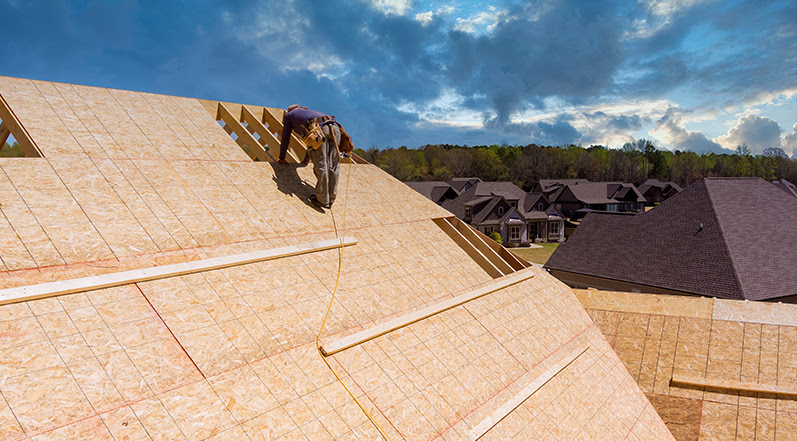
It's a personal call if those long-term benefits are worth a possible bump in your assessed value. For homeowners who prioritize durability and curb appeal, the answer tends to lean pretty heavily toward yes. For others, a decent mid-range option will hold up just fine without drawing any extra attention from the appraiser.
No single guideline covers every situation here, and the answer does depend on the specifics. The more your new roof strays from what was there before (in terms of the materials, cost and scope), the more it tends to look like an upgrade instead of a straight replacement. A basic like-for-like swap in a comparable price range is much less likely to raise any flags.
My advice is to nail down that call before the work even starts and not after the fact. A little forethought about your material picks and your contractor choice goes a long way - it gives you far more control over the end result and a whole lot less to sort through once the project is finally done.
Steps Before and After a Roof Job
Before anything else, it's worth finding out if your homestead exemption is already on file. If it's not filed yet, that single step might change how your home's value gets taxed after a reassessment. Plenty of homeowners in Hillsborough County never take advantage of it (and I see it get passed over pretty frequently), even though it's one of the strongest protections available to you, and it doesn't cost anything to file.
A quick call to the Hillsborough County Property Appraiser's office before your roofing project gets underway is also a smart idea. The staff there can explain what to expect and give you a much better sense of how your project might affect a future assessment. The information that you get from that conversation is helpful - it's much easier to ask the right questions up front than to try to sort it all out once the work is already done.
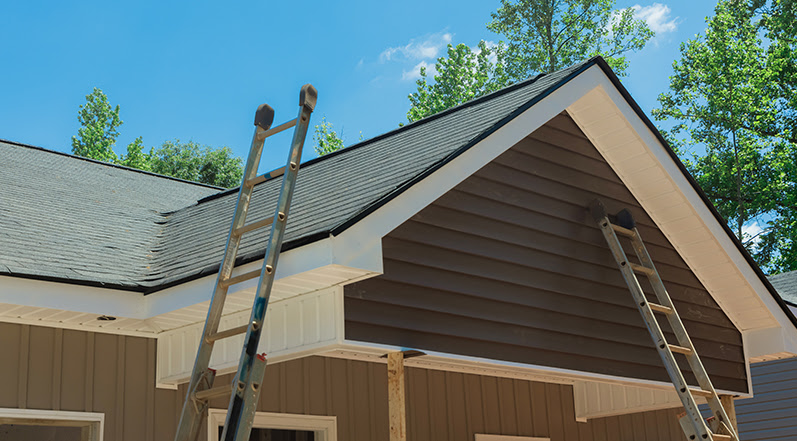
You'll also want to hold on to every receipt and document connected to your roof project. A paper trail that covers the full scope of the work gives you something concrete to reference if your assessed value gets adjusted and you want to dispute it. Plenty of homeowners treat this as an afterthought and regret it, so don't make the same mistake.
An appeal is always an option. If your reassessment comes in and something about it doesn't sit right with you, you have every right to file a petition with the Value Adjustment Board in Hillsborough County. It's a formal process - but one that was put in place specifically so homeowners have a legitimate way to challenge the numbers that they disagree with. The filing deadline is what matters most here - miss it, and that option is off the table for the year.
Protect The Roof Over Your Head
For most Tampa homeowners, a roof replacement doesn't have to mean a property tax headache. As long as you replace it with similar materials, your homestead exemption stays active, and you take care of a few easy steps ahead of time, any tax increase is very unlikely. Florida's homestead protections are strong by design - they were put in place specifically to shield homeowners from situations like this one. It's a reassuring outcome when you've already put that kind of time and money into a project that was probably long overdue.
A little bit of knowledge does go a long way with this - like how your county appraiser looks at roofing work, what the Save Our Homes cap actually does for your property taxes and why your records matter before and after the job is done. That puts you in a much stronger position when the time comes, and there's not much to it - just a little bit of attention at the right moments.
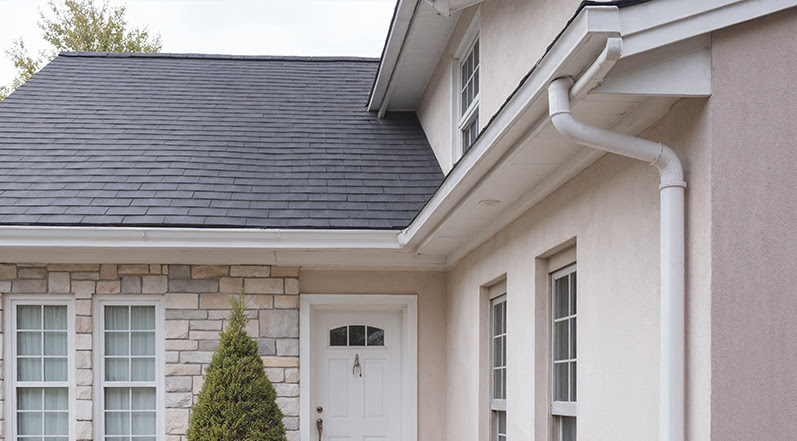
A little preparation goes a long way here, and most homeowners find that the tax side of a roof replacement turns out to be much less stressful than they'd expected.
The right roofing team makes the whole process much less stressful, and Colony Roofers is built for just that. We work with residential and commercial property owners all across Florida, Georgia and Texas, and we're more than happy to talk about your options from start to finish. Contact us for a free inspection, and we'll take care of the rest.